For many rural communities, infrastructure is not simply about roads, bridges or buildings. It shapes whether children can reach school safely, farmers can access their fields, older people can move around without risk, and essential services remain within reach. These physical gaps can affect mobility, livelihoods, education, health and everyday life.
In many parts of Jammu & Kashmir, Uttar Pradesh, Assam and West Bengal, Goonj’s Cloth for Work (CFW) initiative created a space for communities to identify the infrastructure barriers that affected them most and decide on practical solutions using their own knowledge, resources and labour. In recognition of their contribution, participants were rewarded with need-based family kits curated from responsibly channelled urban material surplus.
Making Everyday Movement Safer in Chabba
In Chabba village of Ramban district, Jammu & Kashmir, the challenge centred on everyday mobility. The narrow pathway connecting the settlement to neighbouring villages and local markets had deteriorated over time, making travel difficult and unsafe. Uneven surfaces posed particular risks for older people, children and those using walking sticks.
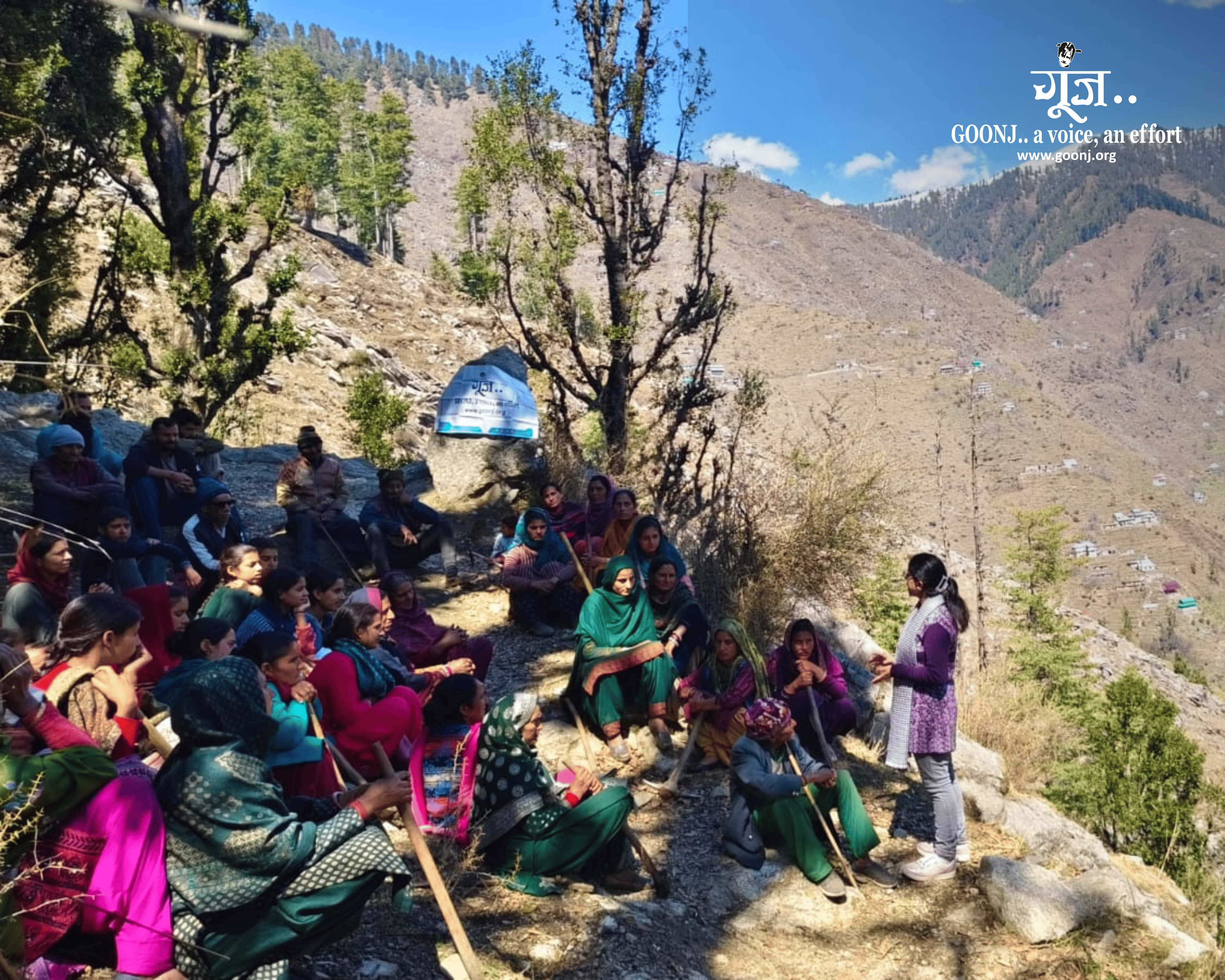
Community members in Chabba gather to discuss repairing the village pathway and restoring their drinking water spring.
At the same time, a nearby spring, which served as the community’s drinking water source, had become dirty and damaged, raising concerns about water quality.
Following discussions under the Cloth for Work initiative, 53 community members came together to repair the pathway and restore the spring over three days. Men and women worked side by side, taking on tasks such as excavation, stone collection and cleaning with simple hand tools available within the village.
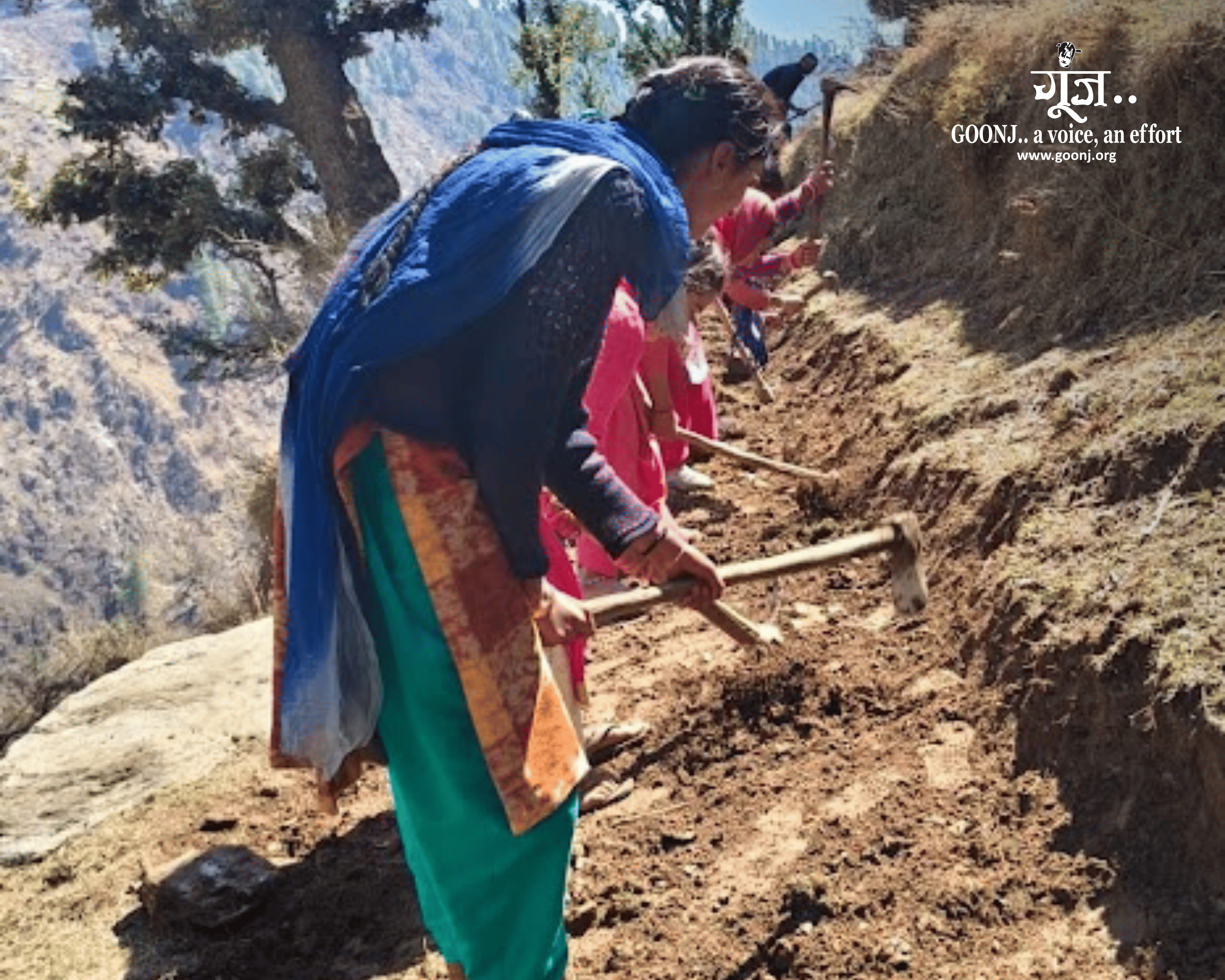
Women work side by side with simple hand tools to level the uneven pathway connecting Chabba to nearby villages.
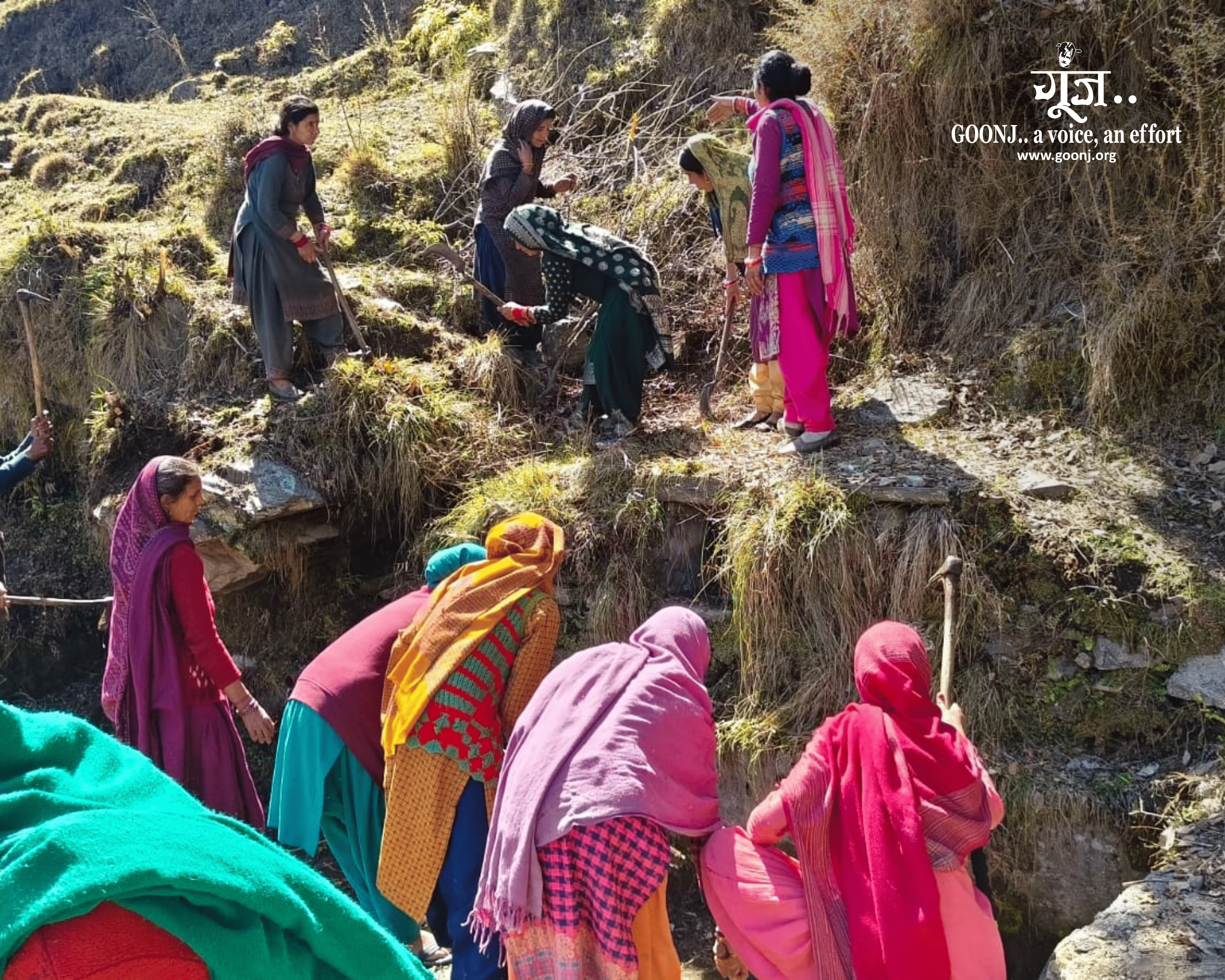
Villagers clean and restore the damaged spring that serves as Chabba′s drinking water source.
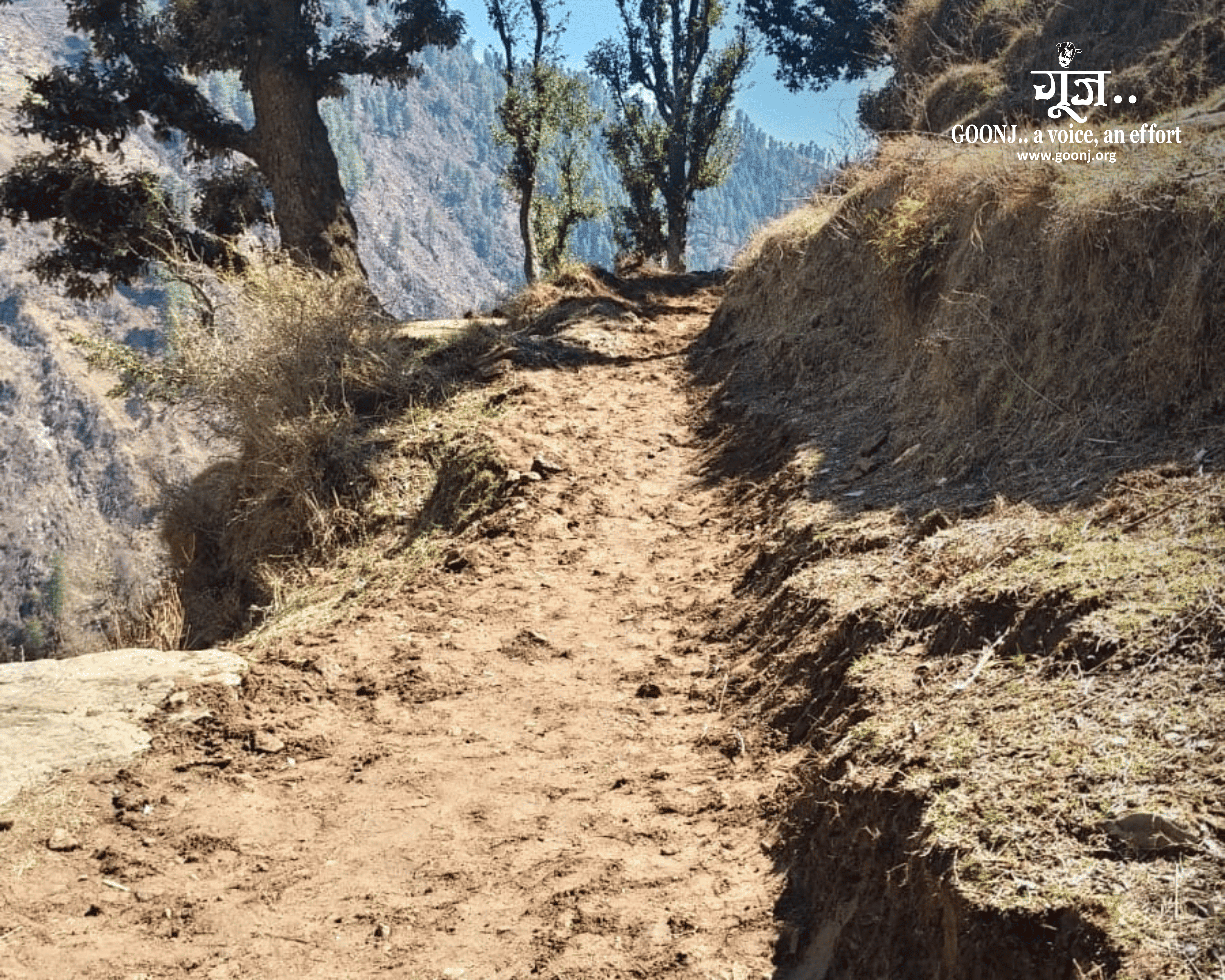
The repaired pathway now makes everyday movement safer for older people, children and families.
The work made everyday movement safer while improving access to the community’s drinking water source. It also showed how people can address more than one everyday infrastructure need through locally organised action.
Building a Safer Crossing to Farmlands in Umripurwa
Further south, in Umripurwa of Karauha village in Uttar Pradesh’s Chitrakoot district, seasonal access to agricultural land had become a recurring concern. During the monsoon, a stream separating the village from surrounding farms would overflow, making it difficult for people, livestock and vehicles to cross safely. Farmers often had to take longer routes to reach their fields, increasing transportation costs and making agricultural work more difficult.
During a community meeting, villagers decided to construct a small stone check dam that would stabilise the crossing while allowing water to continue flowing underneath during heavy rains. As suitable stones were not available nearby, residents voluntarily transported them from a river nearly 200 metres away. They then reinforced the structure with soil and additional stonework to improve its durability.
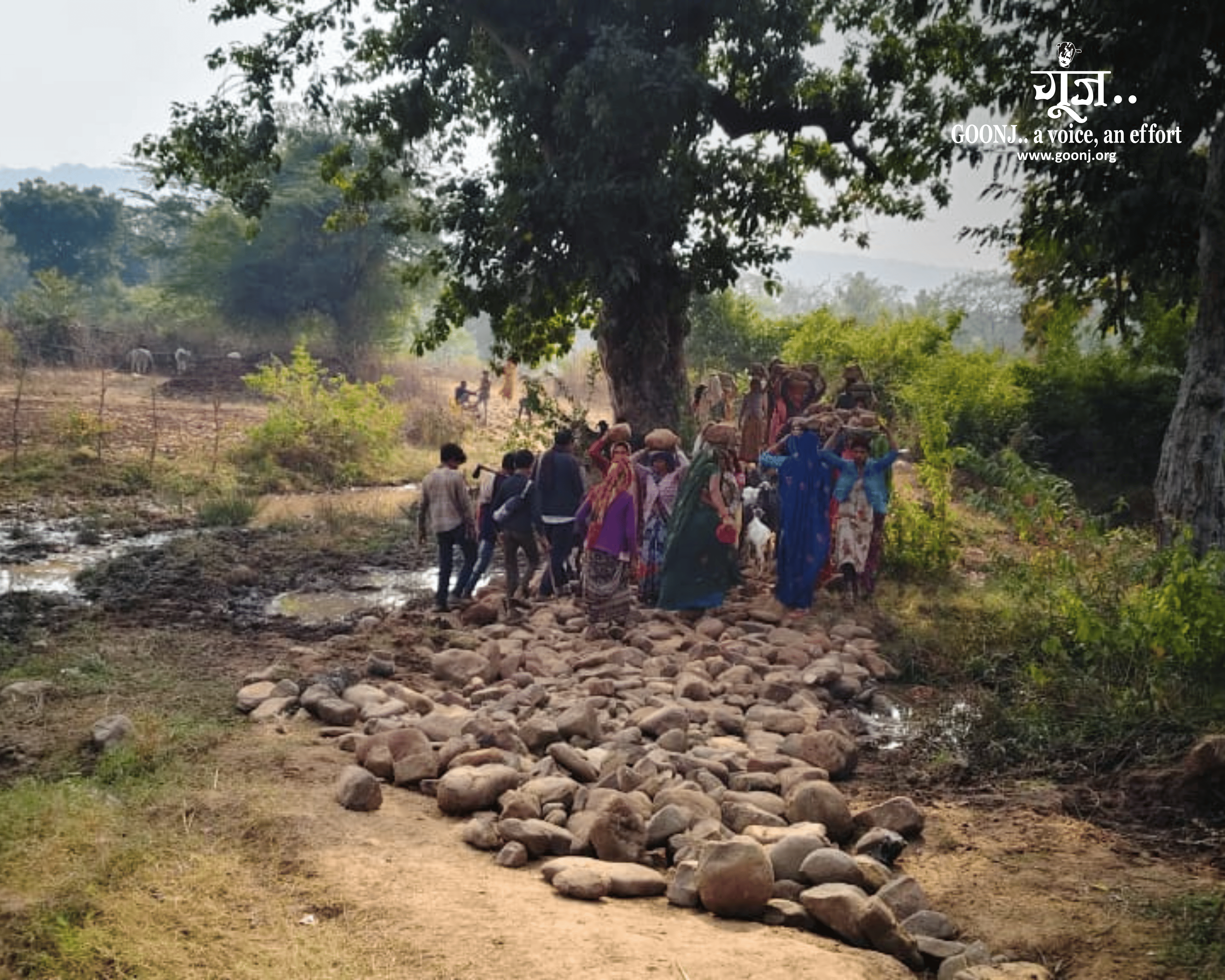
Goonj Cloth for Work initiResidents of Umripurwa carry stones from a river nearly 200 metres away to build the check dam.ative empowering communities to build their own gathering spaces
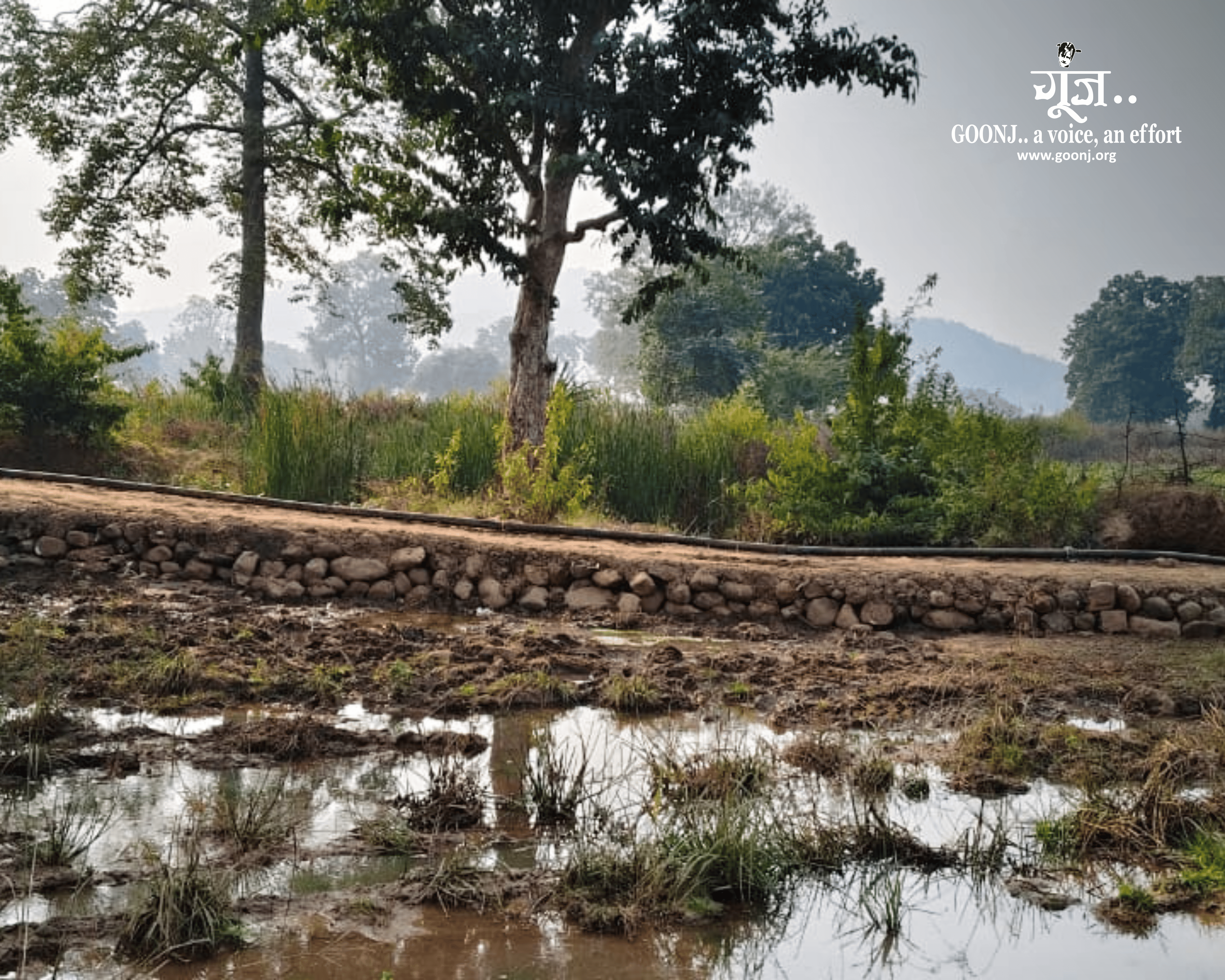
The completed stone crossing now lets farmers, livestock and vehicles reach the fields safely throughout the year.
The completed crossing now allows tractors, bicycles, livestock and pedestrians to move more safely throughout the year. It has also reduced travel time and transportation costs for farmers. A relatively simple structure has made it easier for people to reach their fields while reducing the disruption caused by seasonal rains.
Restoring a School in Lachan Gaon
In Lachan Gaon of Assam’s Majuli district, the priority was education. Brahmaputra High School, the only secondary school serving the area, had gradually fallen into disrepair. Broken bamboo fencing, damaged walls and leaking classrooms exposed students and teachers to rain and strong winds, affecting the learning environment.
After conversations with teachers, parents and local residents, the community decided to restore the school through the Cloth for Work–School to School initiative. Families contributed bamboo, tin sheets, binding wire and other locally available materials, while 66 community members participated in rebuilding the walls and fencing. Students also joined by helping clean the campus and supporting repair activities.
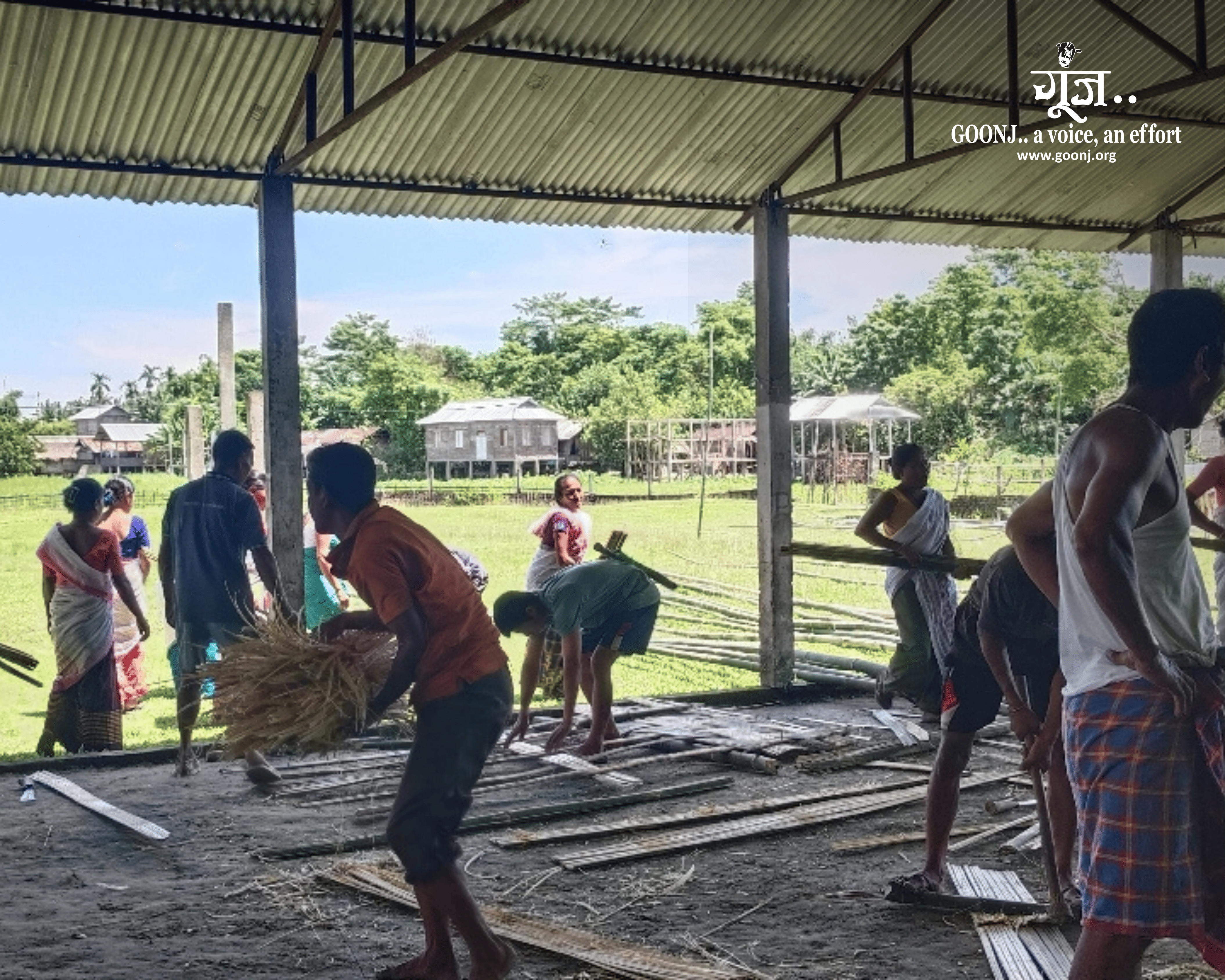
Parents, teachers and villagers in Lachan Gaon rebuild walls and fencing at Brahmaputra High School using bamboo and local materials.
The restored school now provides a safer and more secure learning environment for over 120 students. The process also brought families, teachers and students together to take responsibility for a shared institution.
Connecting Villages Through a Bamboo Bridge in Maharajpur
Meanwhile, in Maharajpur village of West Bengal’s Paschim Medinipur district, geography shaped a different challenge. Every year, seasonal flooding of the Ketha River disrupted movement between villages. Residents had to travel an additional 10 to 12 kilometres to reach nearby schools, markets and health facilities. The absence of a direct crossing affected both daily mobility and access to essential services.
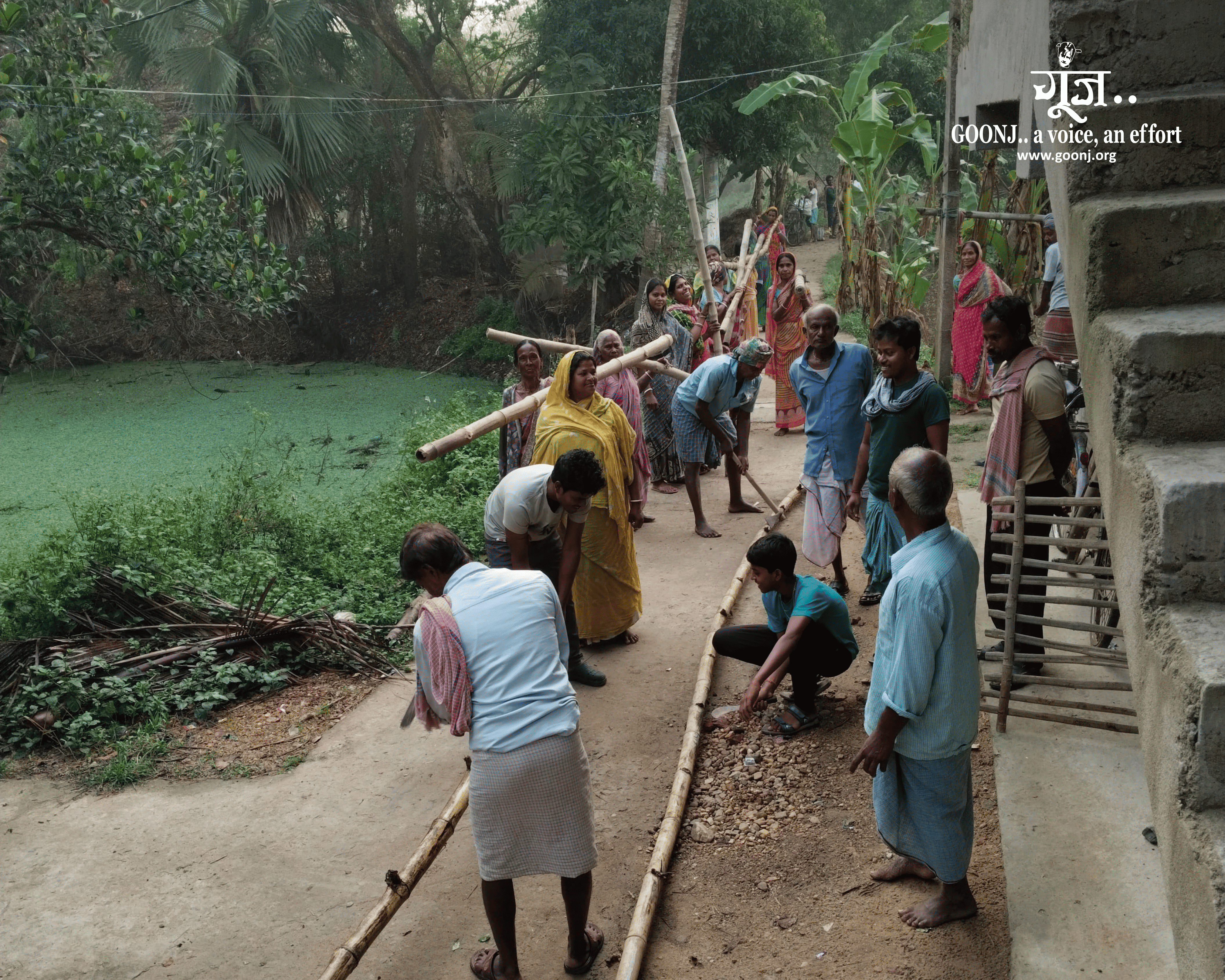
Maharajpur residents carry locally sourced bamboo to build a bridge across the Ketha River.
Following discussions facilitated through the Cloth for Work initiative, residents decided to construct a bamboo bridge connecting both sides of the river. Community members arranged the bamboo locally and, over six working days, 38 participants completed the bridge through collective labour.
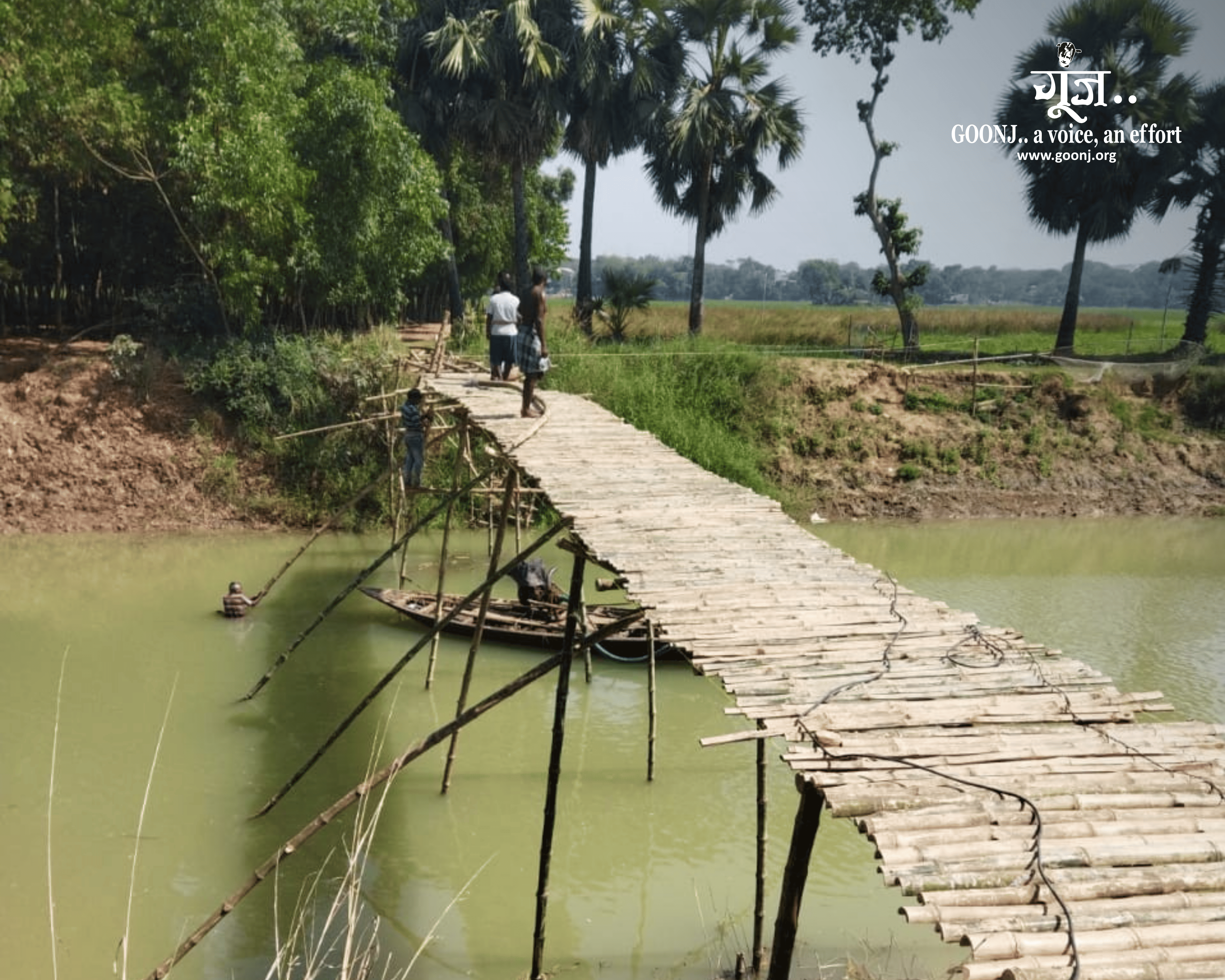
The new bamboo bridge cuts a 10–12 km detour down to about one kilometre, reconnecting Maharajpur with nearby villages.
The new crossing reduced the travel distance to approximately one kilometre, reconnecting Maharajpur with neighbouring villages including Belasar and Islampur. Children can now reach nearby schools more easily, while families have improved access to markets, healthcare facilities and surrounding villages.
The experience shows how a relatively simple, community-built structure can change the way people move through and connect with the places around them.
What Community-Led Infrastructure Makes Possible
Across these four regions, communities addressed very different infrastructure needs from restoring a pathway and drinking water source to creating a safer crossing, repairing a school and building a bridge between villages. What connected these efforts was the process of people taking the agency for bettering their living conditions. The outcomes were practical and immediate: safer movement, easier access to farms and essential services, a more secure learning environment and stronger connections between villages. Together, these experiences show how communities can shape and build infrastructure around the realities of their own lives, using what is available to create solutions they can collectively own.
About Goonj
Goonj’s menstrual wellbeing work across India connects urban textile surplus to become a resource for menstrual wellbeing of women and other menstruators in rural India. Our focus is on enabling participation with dignity as we strongly believe that development begins when people engage with their own challenges using their own effort, strengthened by shared resources.
Be a Stakeholder in our Work
Start where you are. Organise a collection drive. Begin a Goonj kee Gullak. Volunteer. Intern. Or stay connected through the monthly newsletter. Many ways to engage. One choice to make — take action.
More on www.goonj.org | Write to [email protected]