When a Water Source Begins to Disappear
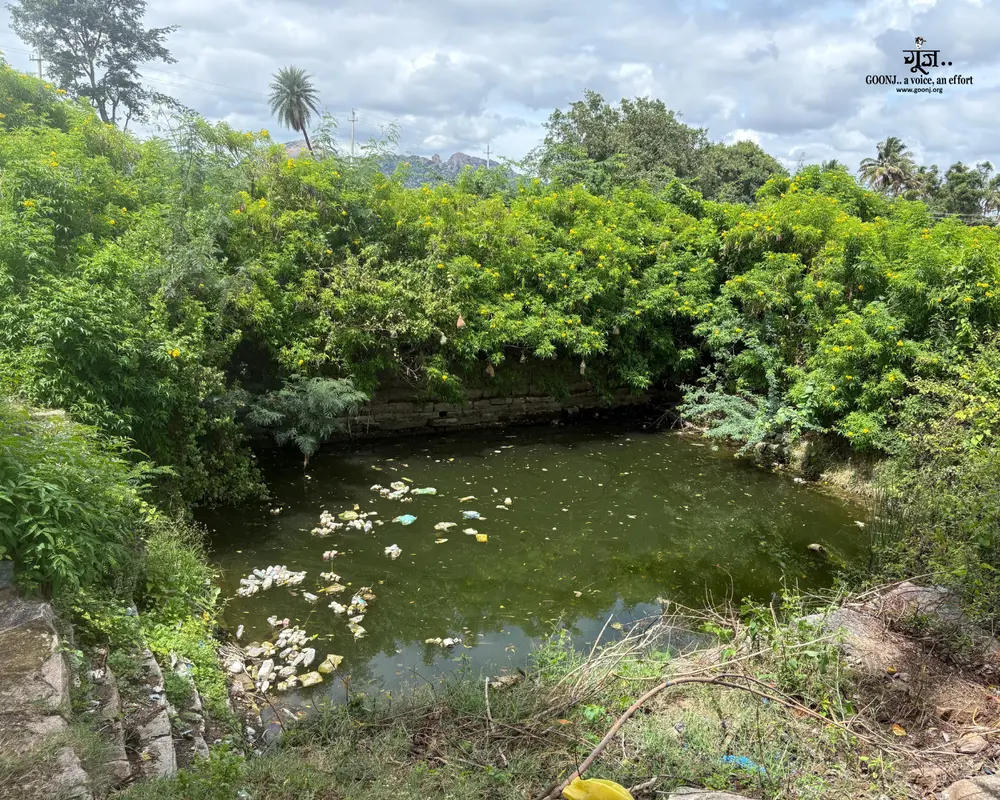
In Bijavara village of Tumakuru district of Karnataka, their village pond has long supported farming, livestock, and the everyday water needs of the village. Over time, silt deposits and invasive aquatic weeds had reduced its depth and usefulness. What remained was a shallow basin that could no longer serve the village as it once did. During a baithak under Goonj’s Cloth for Work initiative, this concern came up clearly. The pond was slowly losing its purpose.
The community decided to act. On September 18th, 2025 by 9 AM, 67 people were inside the pond. Shovels cutting into thick silt. Baskets filling with sludge. The sun rising steadily over Bijavara in Tumakuru district. This was work that needed to be done.
Work Led by Those Who Depend on It
67 participants — agricultural workers and daily wage earners — gathered with tools they already had. There was no external workforce. The people working were the ones whose lives were directly linked to the pond. A rhythm formed through the day: scrape, fill, lift, clear. The physical effort was demanding. The heat made the work exhausting.
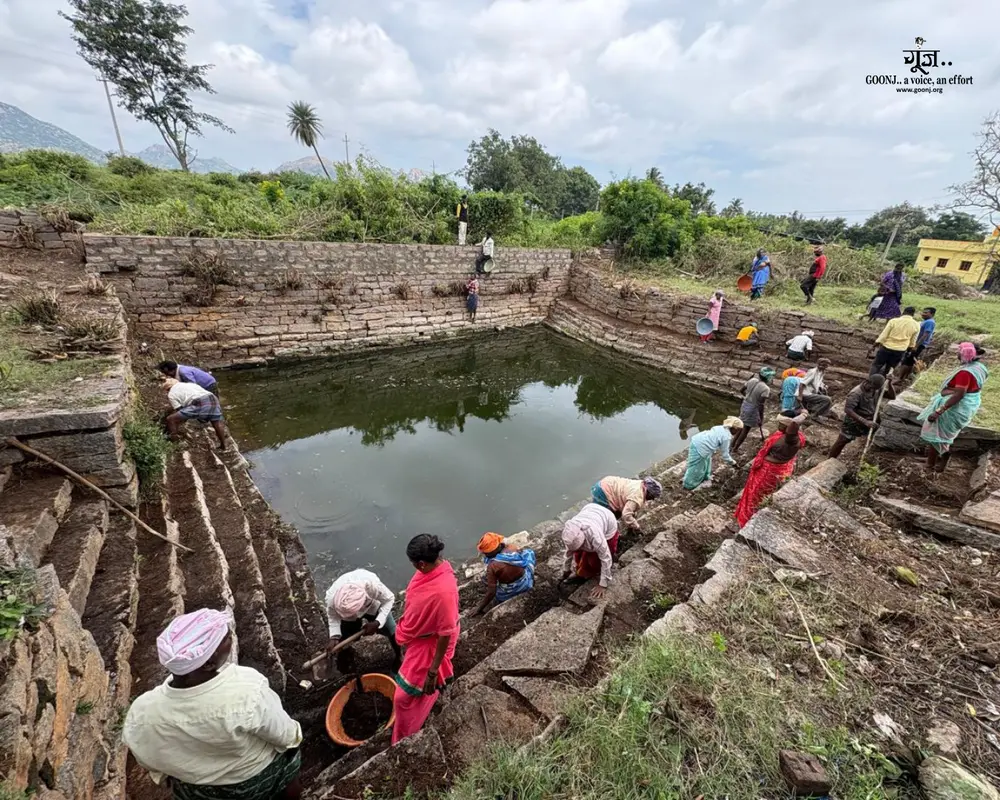
A wider view of the ongoing pond restoration work
Watching the Pond Take Shape Again
After nearly 12 hours of continuous work, the impact was visible. What had earlier looked like a swampy, flattened stretch had begun to take the shape of a deeper, more defined pond basin. Even the remaining water appeared clearer, reflecting the open sky. The pond had not just been cleaned. It had begun to regain its water-holding capacity.
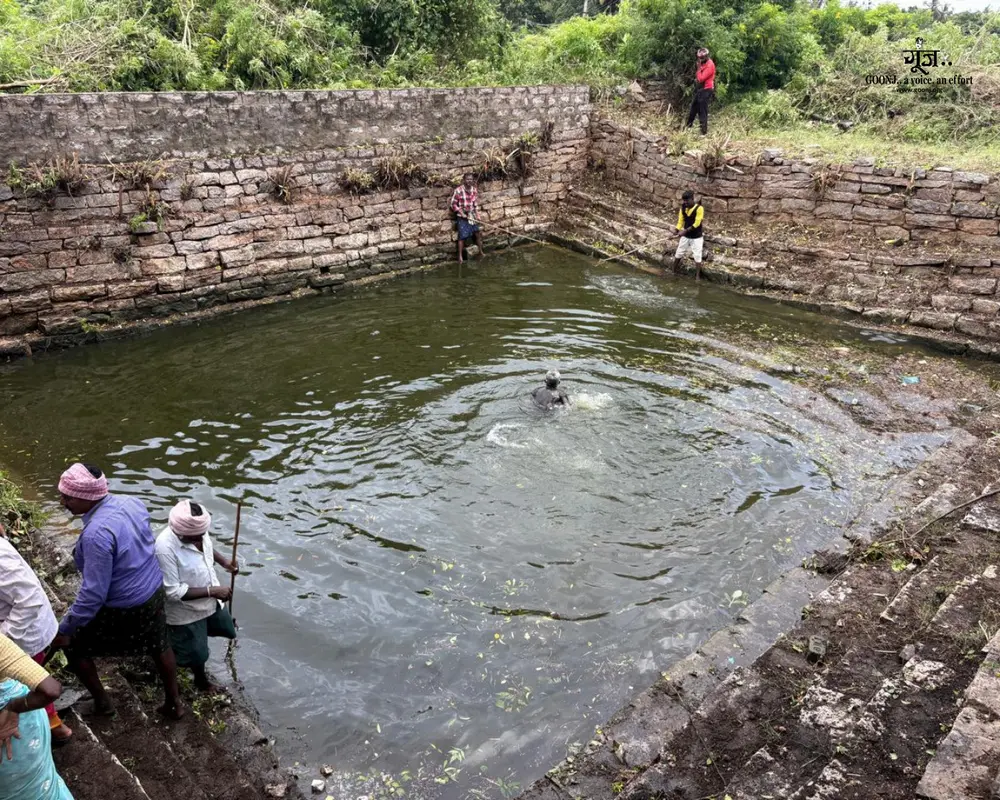
Deep cleaning and desilting work underway in the pond
What This Effort Strengthened
Along with restoring the pond, the process reinforced collective responsibility of the village for a shared resource. The local knowledge, shared effort, and dignity-led participation came together in a practical way. The work of those 67 individuals stood as a quiet reminder of what communities can do when they come together around a common need.
Where Urban Material Supported Rural Action
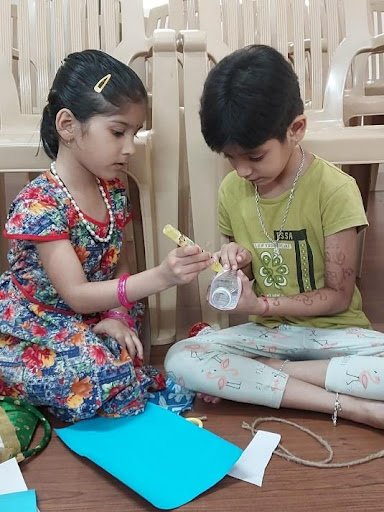
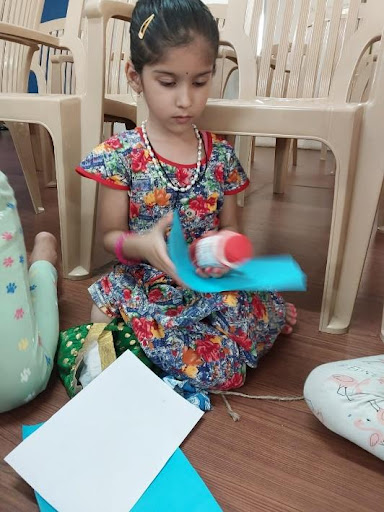
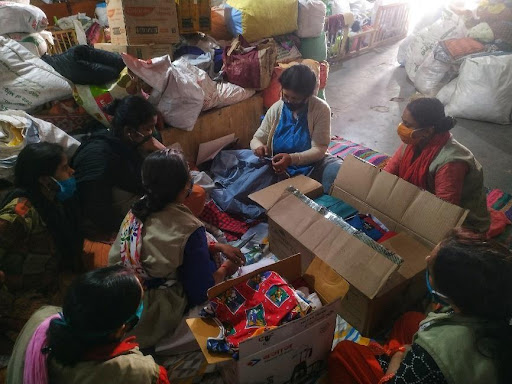
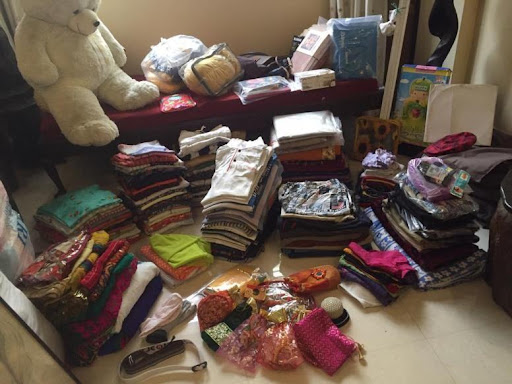
As part of Goonj’s Cloth for Work process, participants were rewarded with Family Kits containing carefully curated essential household materials contributed by urban homes. These materials were shared in recognition of the community’s labour and effort — not as charity, but as acknowledgement and reward.
About Goonj
Goonj repositions unused surplus urban material as a resource for rural communities to address their own priorities. The focus remains on participation, ownership, and dignity in development processes.
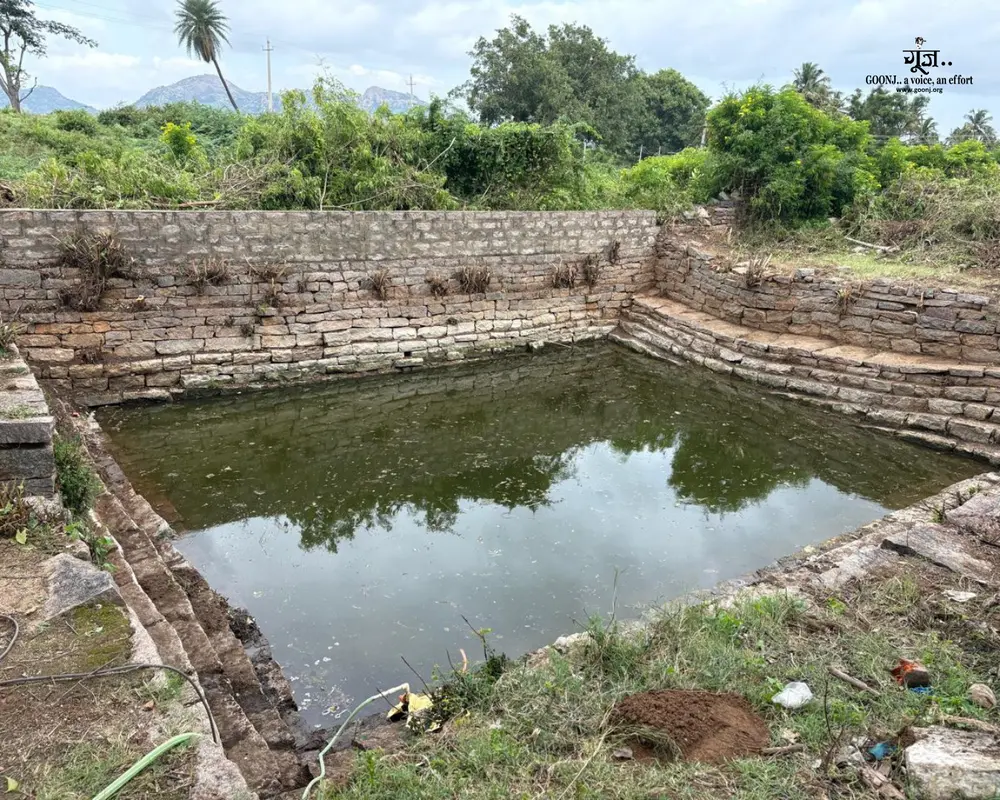
After the restoration, the revived pond stands ready to support the community with cleaner water
Be a Stakeholder in our Work
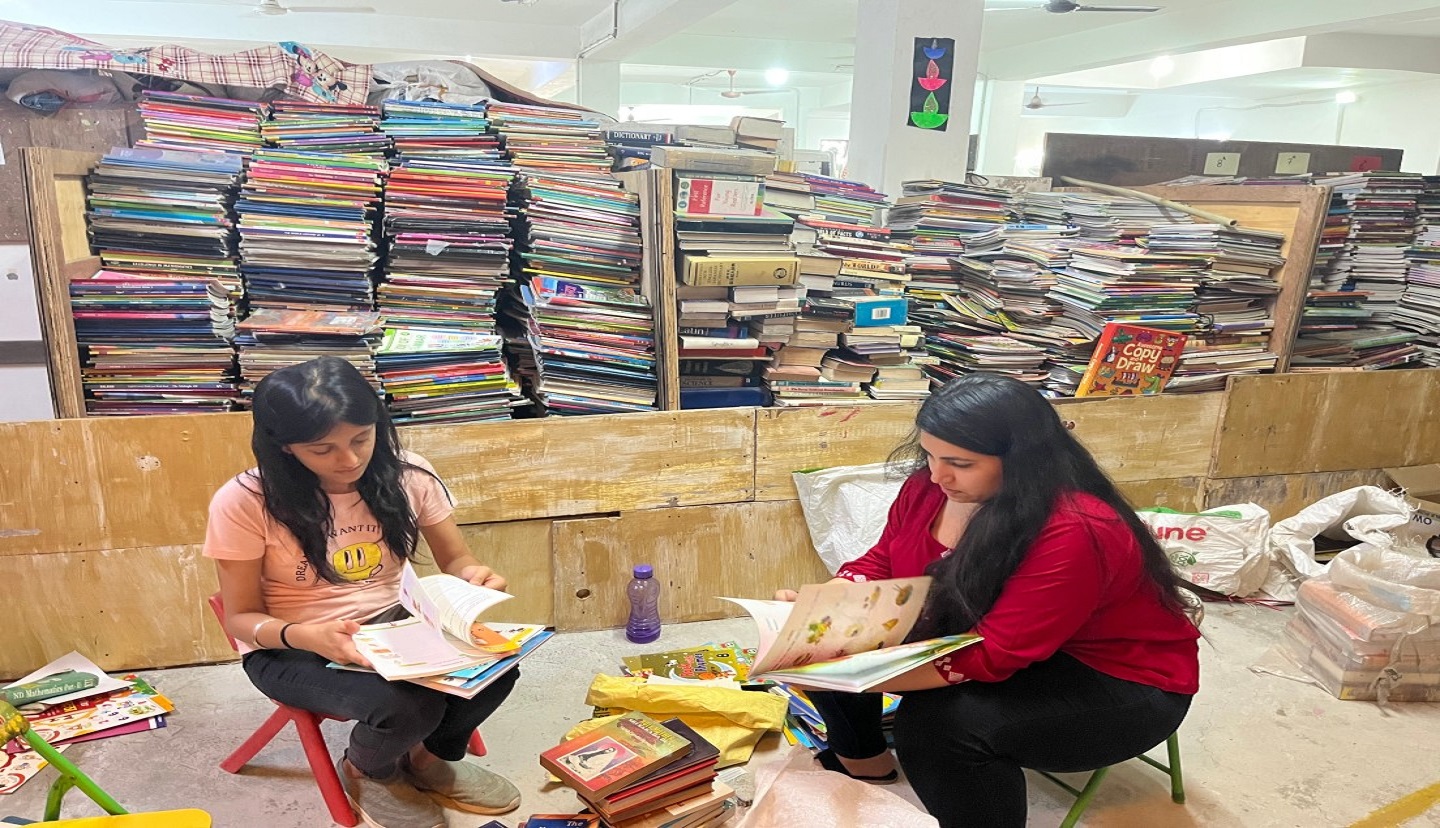
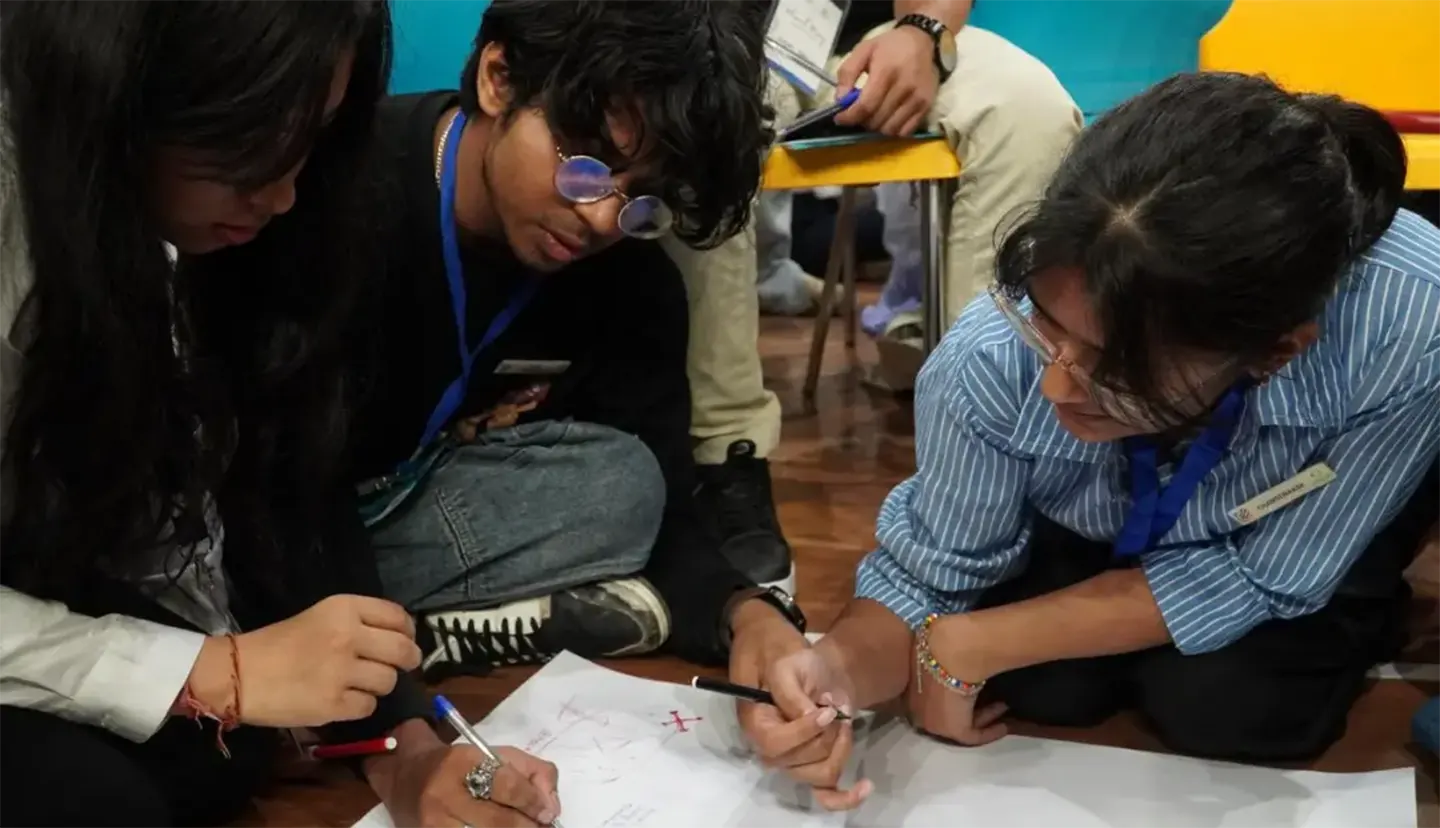
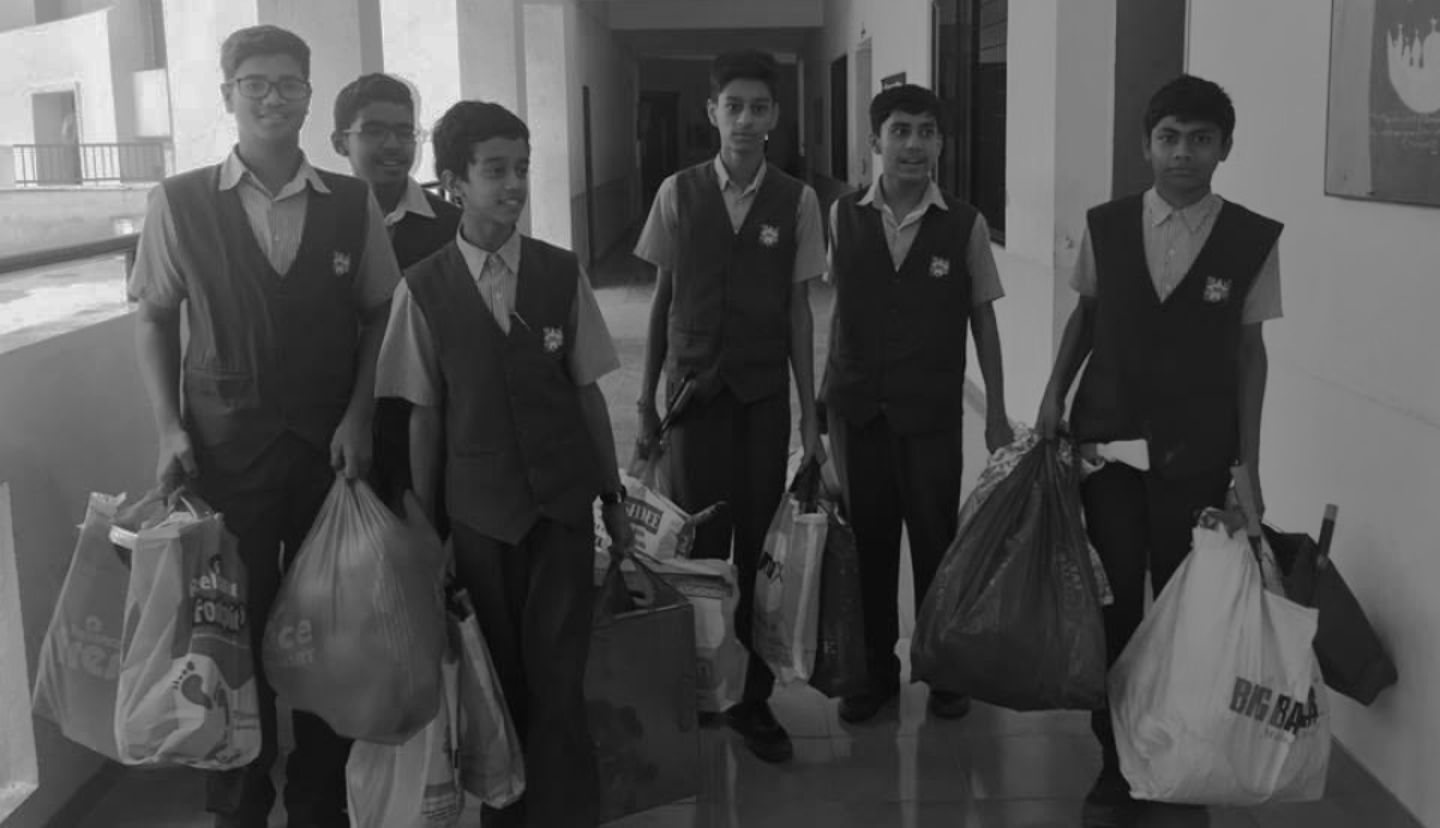
Start where you are. Organise a collection drive. Begin a Goonj kee Gullak. Volunteer. Intern. Or stay connected through the monthly newsletter. Many ways to engage. One choice to make — take action.
More on www.goonj.org | Write to [email protected]