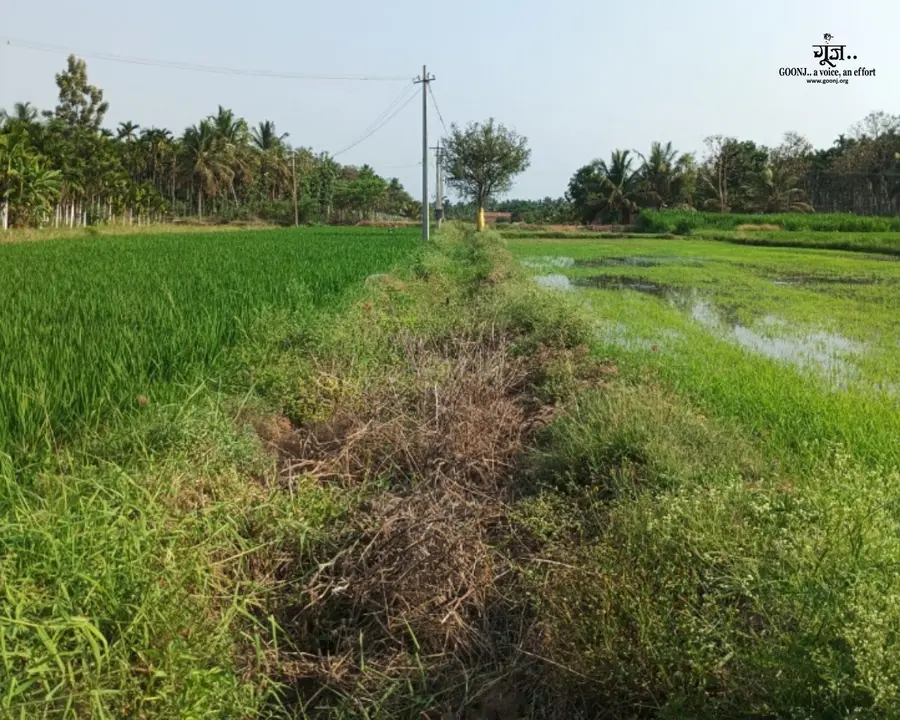
In Bennihalli village of Vijayanagar district, Karnataka, a canal runs along the farms. Or rather, it used to. Over time, weeds, mud, and overgrowth had choked it. Water could no longer move the way it once did. Fields that depended on this flow began to feel the strain. For farming families and daily wage earners, this was not an environmental issue in abstraction. It was a daily disruption to irrigation, cultivation, and income. The issue surfaced where most real issues surface — in a Goonj Baithak.
When the Problem Came from the People
During a community meeting under Goonj’s Cloth for Work initiative, villagers spoke about what was troubling them most. The canal came up repeatedly as a shared concern that everyone understood. The decision that followed was simple: Let’s clean it. Together. Around 70 people — farmers, agricultural workers, youth, elders, daily wage earners came forward. There was no assignment of roles. People brought what they had: baskets, spades, time, and intent. Work began.
Slow Work. Hard Work. Collective Work.
Over multiple days, for several hours at a stretch, the group removed weeds, lifted mud, and cleared the path manually. The weather was not always kind. The work was not light. But the canal was theirs. And that made the effort different.
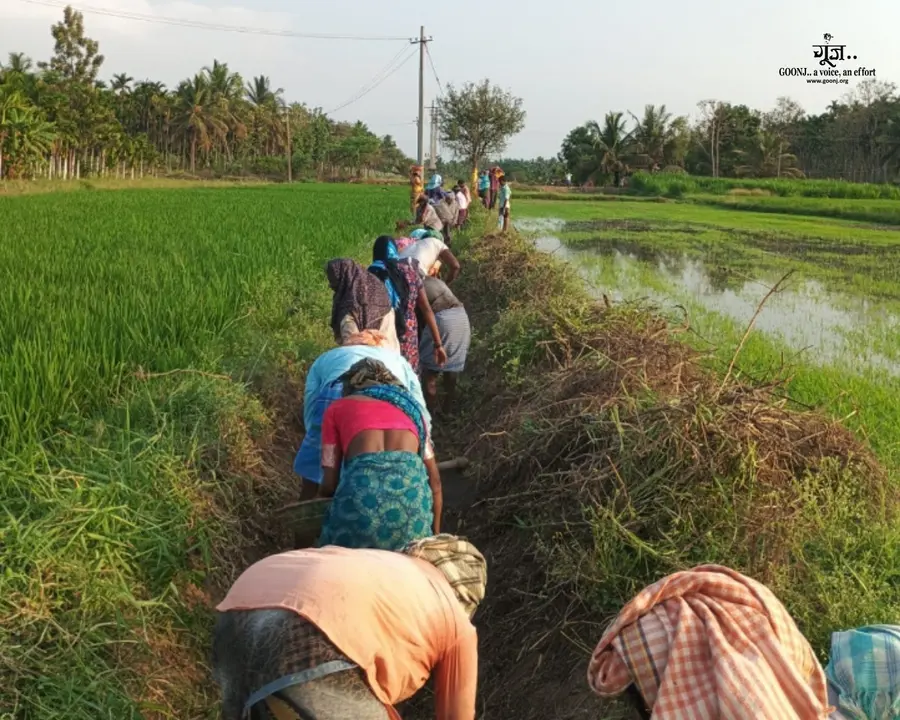
Villagers coming together to restore the canal during the collective effort
As sections cleared, water began to find its way again. Fields that had been waiting started receiving water more easily. There was no celebration. Just a shared sense of relief. This was not just cleaning a water channel. It was protecting a shared resource through shared responsibility.
Where Material Met Meaning
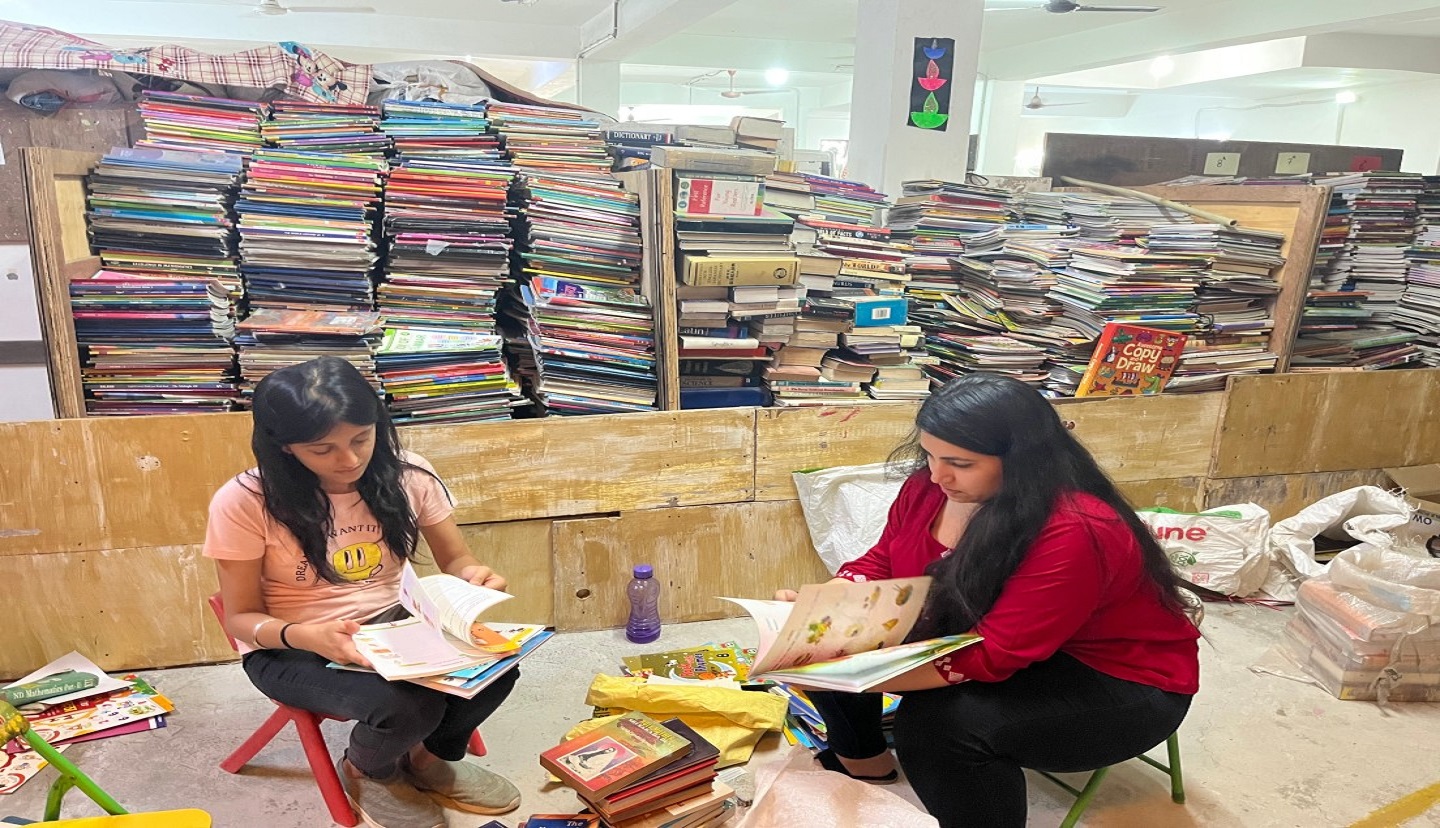
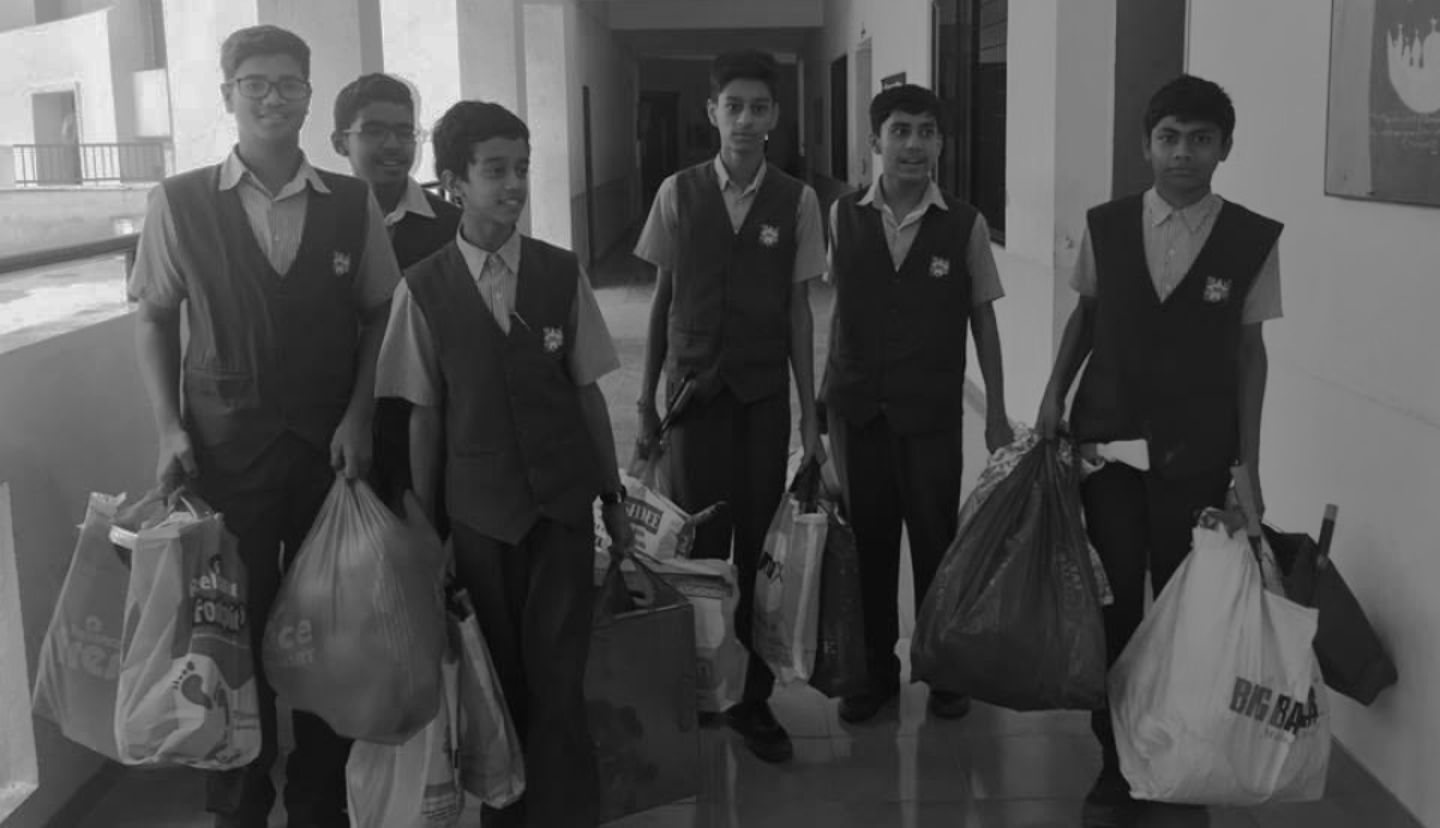
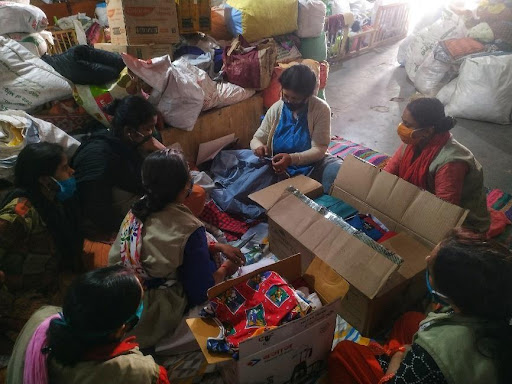
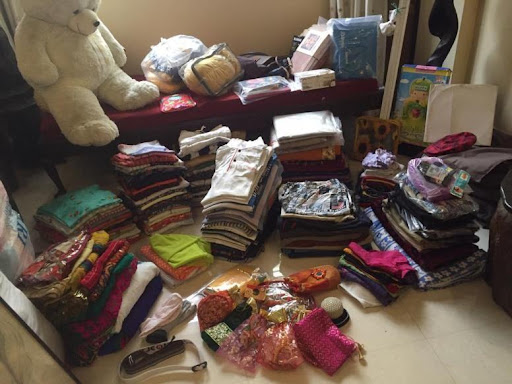
As part of the Cloth for Work process, participants were rewarded with Goonj Family Kits — clothes, utensils, bedsheets, and useful household materials. These were contributions from urban homes, channelised into rural action. Nothing was distributed as charity. The material acknowledged the community’s labour, time, and wisdom. What may have been excess in cities became relevant in villages. At the same time, this material was prevented from reaching landfills. A small but practical example of circular use of resources.
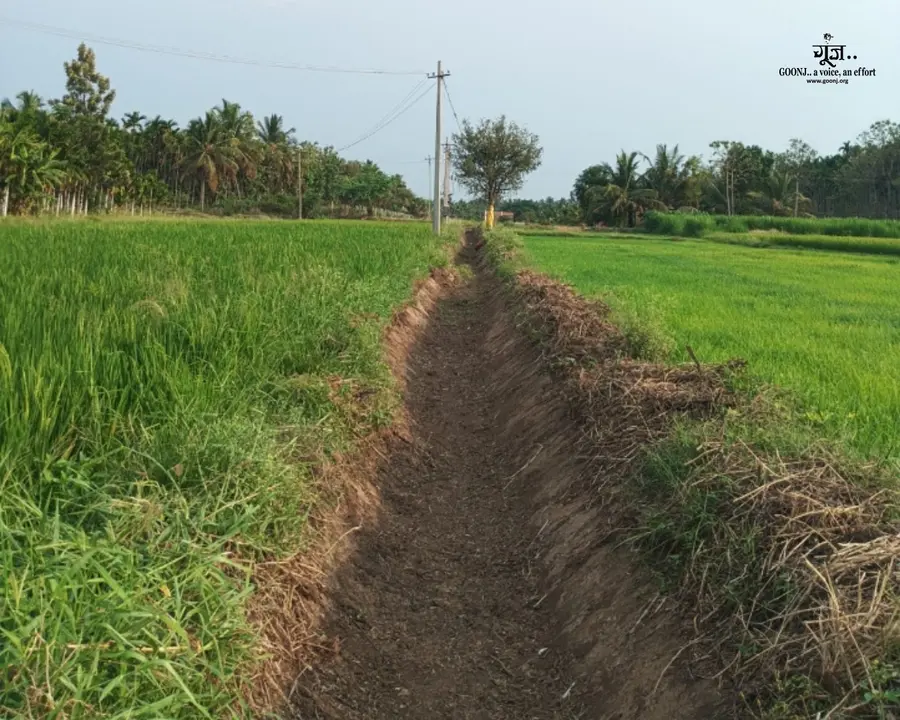
Canal after restoration and revival work
About Goonj
Goonj’s work rests on a simple idea: material lying unused in urban homes can become a resource for rural communities to address their own priorities. The focus is not on giving, but on enabling participation with dignity. Development begins when people engage with their own challenges using their own effort, strengthened by shared resources.
Be a Stakeholder in our Work
Start where you are. Organise a collection drive. Begin a Goonj kee Gullak. Volunteer. Intern. Or stay connected through the monthly newsletter. Many ways to engage. One choice to make — take action.
More on www.goonj.org | Write to [email protected]