At the Edge of Land and Water
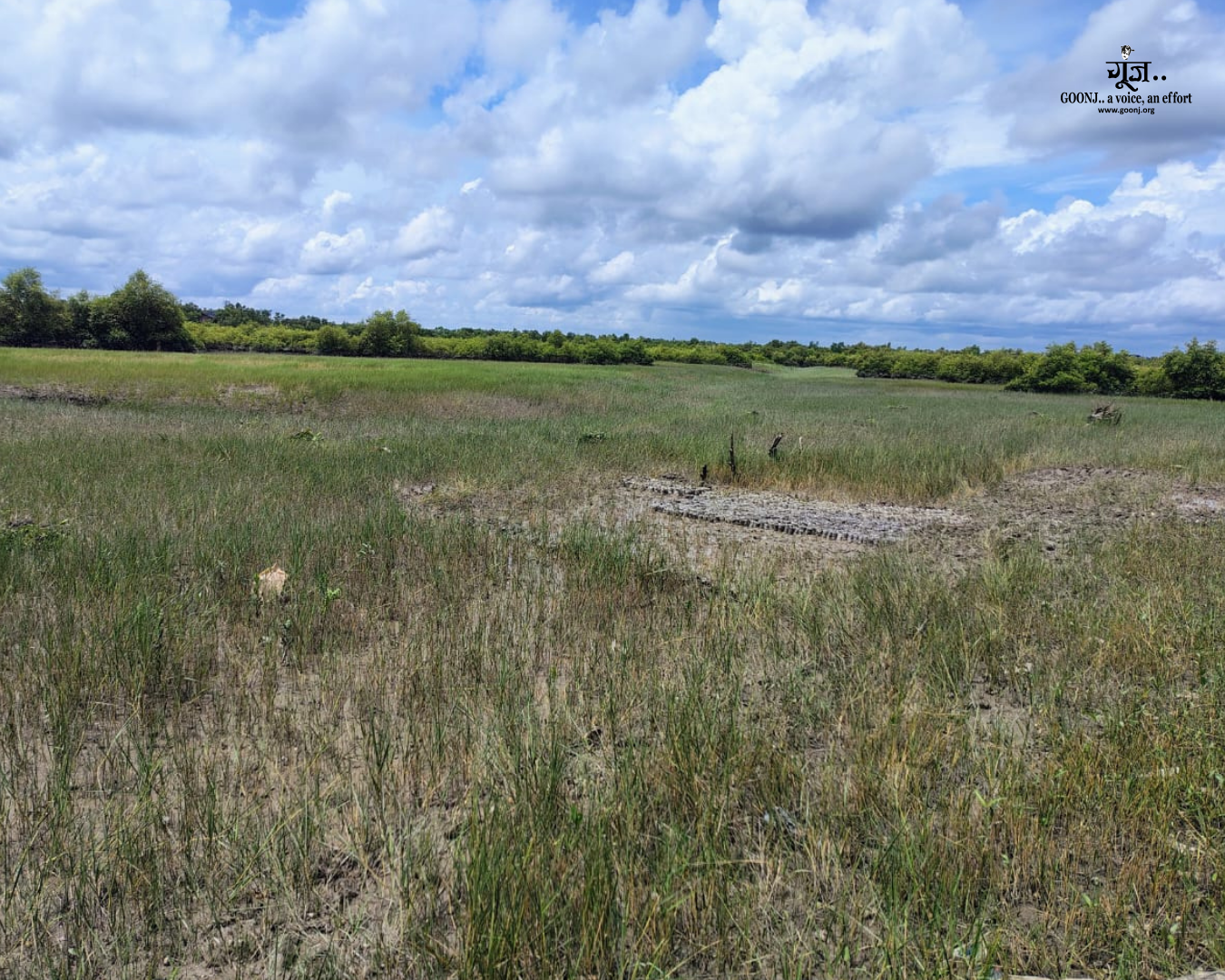
Debipur Gurguria village in South 24 Parganas, West Bengal, sits where the land never stands still. As the river shifts, the sea pushes back, and the line between the two is always uncertain.
In the Sundarbans, water shapes people’s lives. It runs along embankments, seeps into the soil, and decides what can grow. Fields of paddy and vegetables stretch where they can, held together by both effort and hope. This fragile coastal ecosystem reflects the everyday realities of living in the Sundarbans.
This is also a region where cyclones are recurring threats that reshape the landscape, impacting agriculture severely. When the waves surge in, saline water breaches the embankments, turning fertile fields into salted barrens and mud houses into debris. For the families here, a single storm can mean two to three years of lost livelihood, forcing the men of the village to seek distant horizons for work.
Beyond Relief, Towards Strength
Nilima Das from the area, recalls: “During Cyclone Amphan, the village flooded and my house was damaged. My entire family was depending on relief. If we had mangrove plants, they would have protected the village, and my home would still be standing.”
This is the invisible connection and core challenge that Goonj’s work addresses by connecting relief efforts with long-term resilience led development work.
Starting with What Exists
When Gobinda Maity, a local volunteer, connected with Team Goonj, the starting point was a conversation around what the village already knew and had.
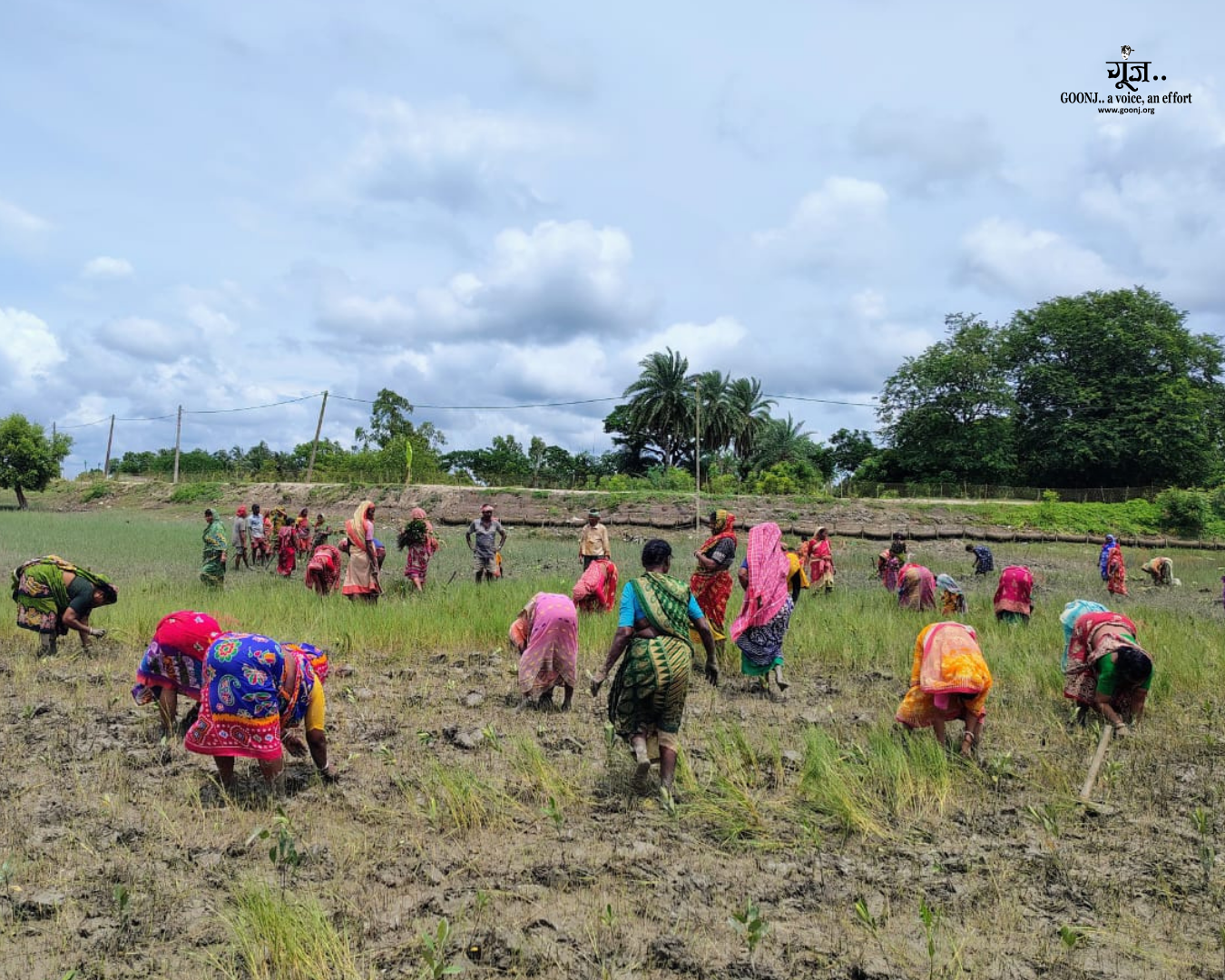
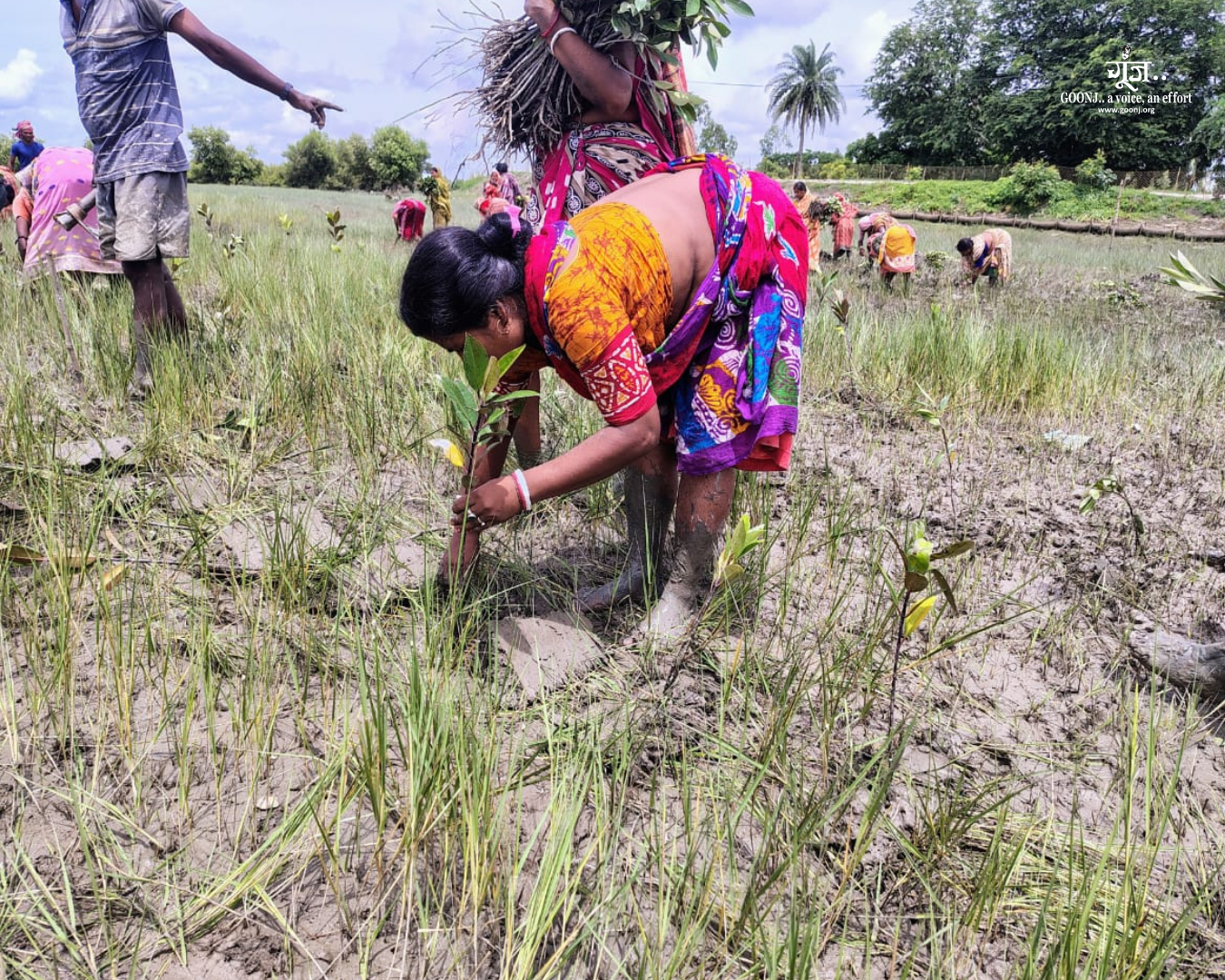
The Goonj team nudged the people — to look at its own knowledge and strengths differently. When the villagers identified a mangrove shield as their utmost priority, it emerged as a community-led mangrove plantation effort. They mobilized to collect 30,000 mangrove saplings from Kantamari village and transported them to their own riverbanks.
Reimagining Material: Reward for Resolve
This collective effort along the vulnerable embankment was rewarded with carefully curated urban material. This approach highlights how a barter between new currencies – urban surplus and rural effort and wisdom can empower people led rural development.
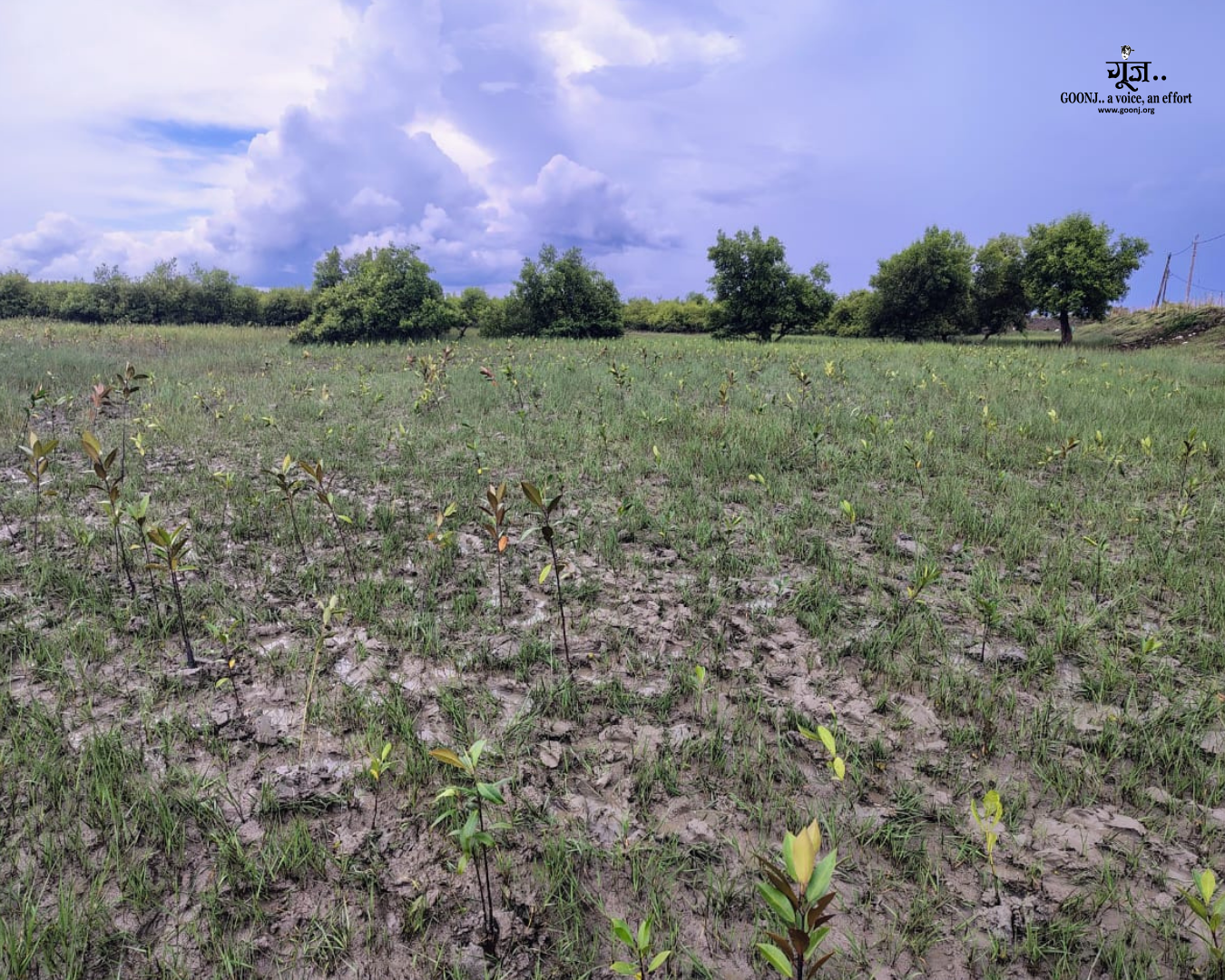
To ensure the survival of their green wall, 60 years old Gobinda Maity further mobilised his community to enclose the area, to protect the young saplings from grazing cattle. This local ownership is an example of ‘when people decide and work on their own solutions they also maintain it.
The Impact of Collective Action
This restoring of the mangroves in the region has a direct connection with reducing migration and dependency in the region. In the long term people in the region feel empowered and more resilient to recurring climate emergencies.
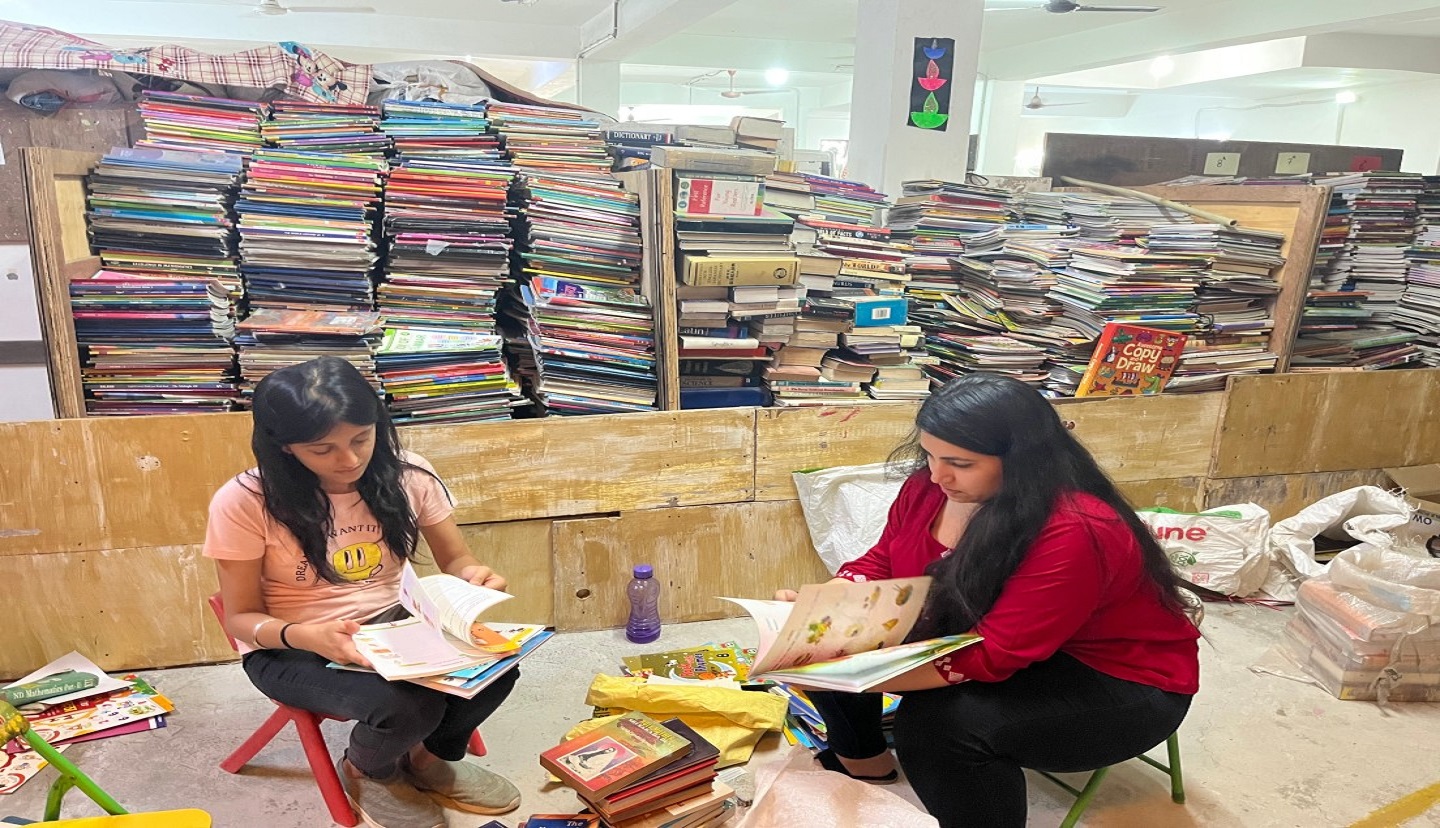
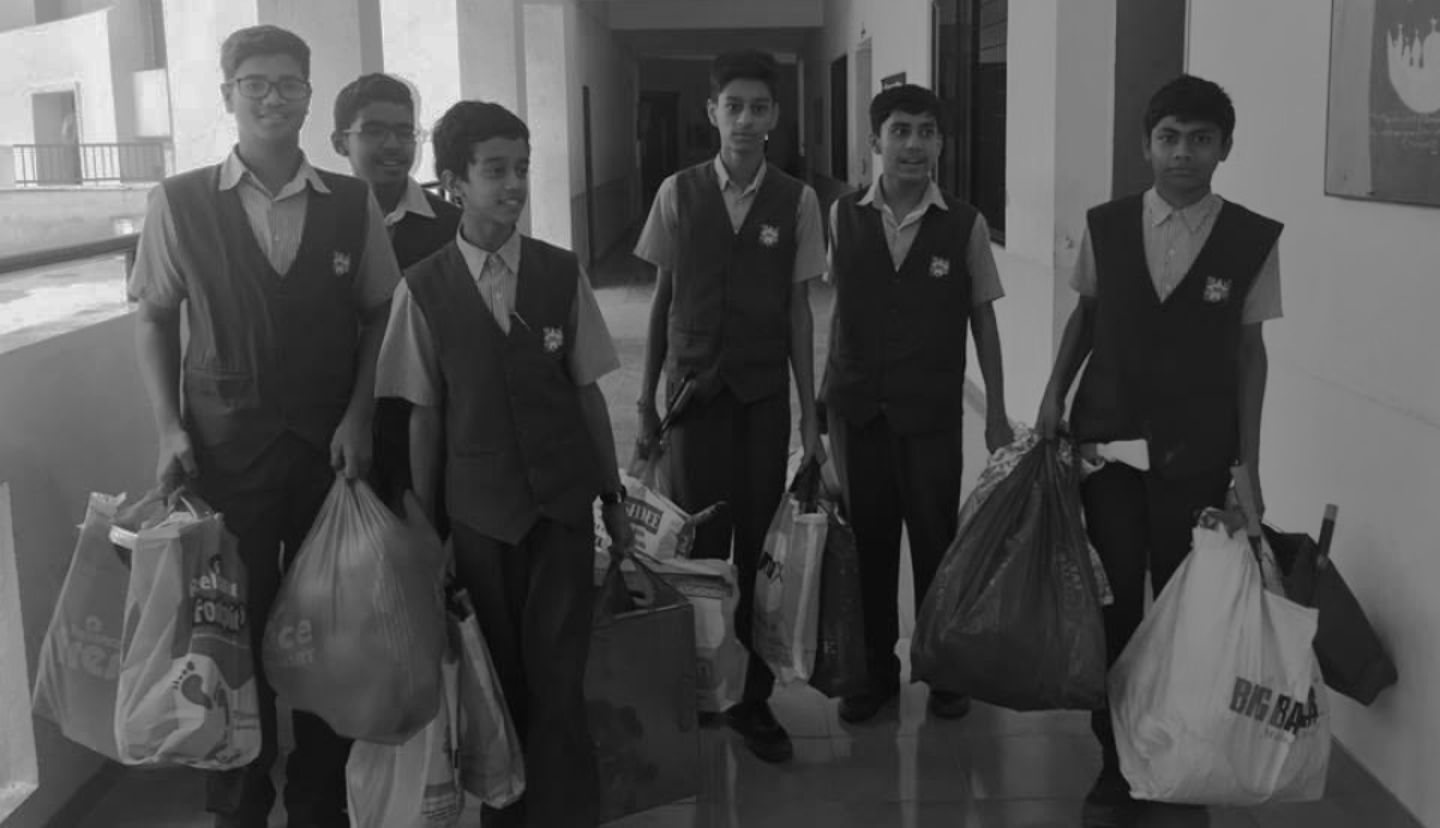
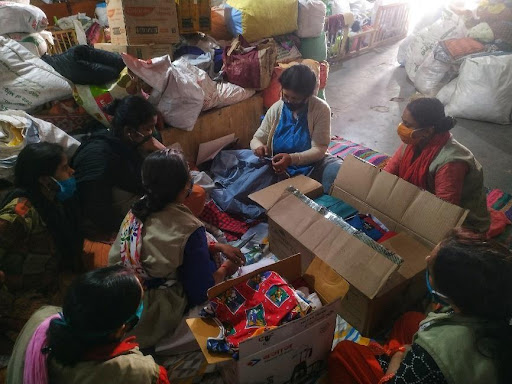
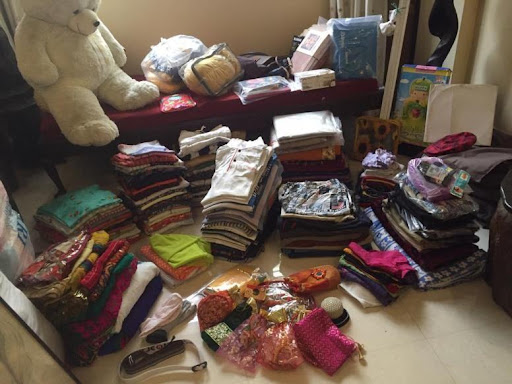
About Goonj – Material shared by urban citizens and organisations is at the heart of these rural development stories. What lies idle in our urban homes and organisations can address material poverty, the lack of basic things needed for daily life. Goonj repositions cities’ unused material as a resource that brings rural communities together to take collective action on their own priorities. Material is shared back with people as a reward for their effort, wisdom and local resources, not as charity. What emerges is a model where people’s participation becomes central to their own development.
Be a Part of Change
Our invitation to you is, start from where you are.. From a small change of starting a Goonj kee Gullak or Team 5000, joining a long and deep change process, or things in between- organising a collection drive, a volunteering journey, an internship, or simply walking with us signing for a Goonj monthly newsletter subscription.. More on www.goonj.org or write to [email protected].
Many options, but the choice is always one; Taking Action