A Landscape Shaped by Water
Molual Miri village in Majuli district, Assam sits within one of the world’s largest river islands, shaped continuously by the waves of the Brahmaputra. Here, floods are not an exception but a recurring reality — changing landscape, displacing families, and often interrupting everyday systems like schooling. In such a space, access to education is not just about infrastructure, but about continuity amidst uncertainty.
The Challenge of Continuity in Education
During the monsoon months, life becomes particularly challenging. Rising waters often force families to temporarily relocate to nearby relief camps, and schools remain shut for days at a stretch. Many children also travel from distant villages to attend the school, navigating both distance and disruption to stay connected to their learning journeys.
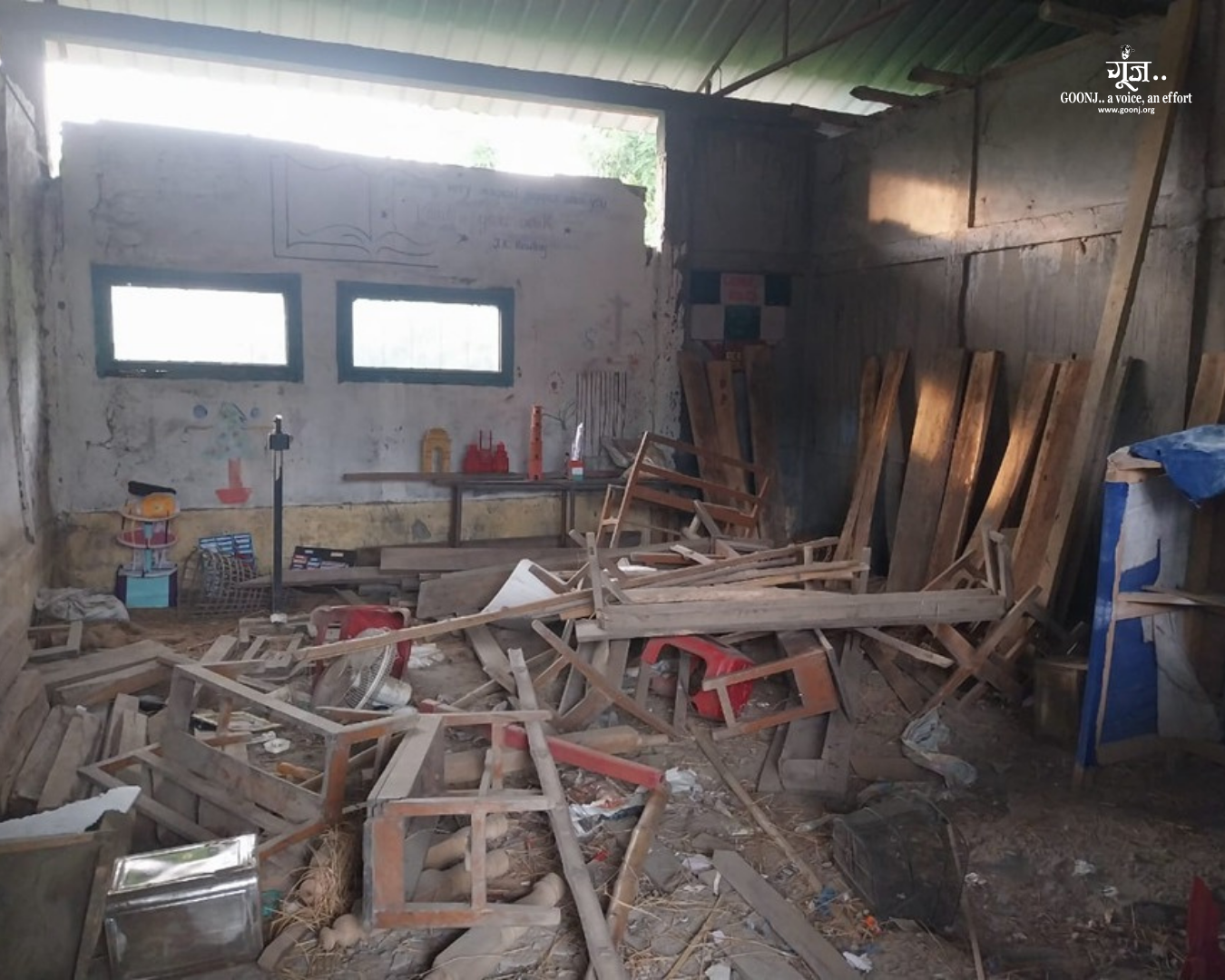
Yet, what stands out is not the disruption, but the community’s steady resolve to keep education going. Families, teachers, and local residents come together in consistent ways— contributing rice and vegetables to ensure mid-day meals continue, and creating an environment where children can return to learning with dignity.
Building with What Exists: Labour, Materials, and Ownership
This collective spirit found further momentum through the School to School (S2S) initiative, integrated with Cloth for Work (CFW) of Goonj. We did not arrive as a solution. We worked more like a nudge. A nudge to look at what already exists. A nudge to ask— what can we do with what we have?
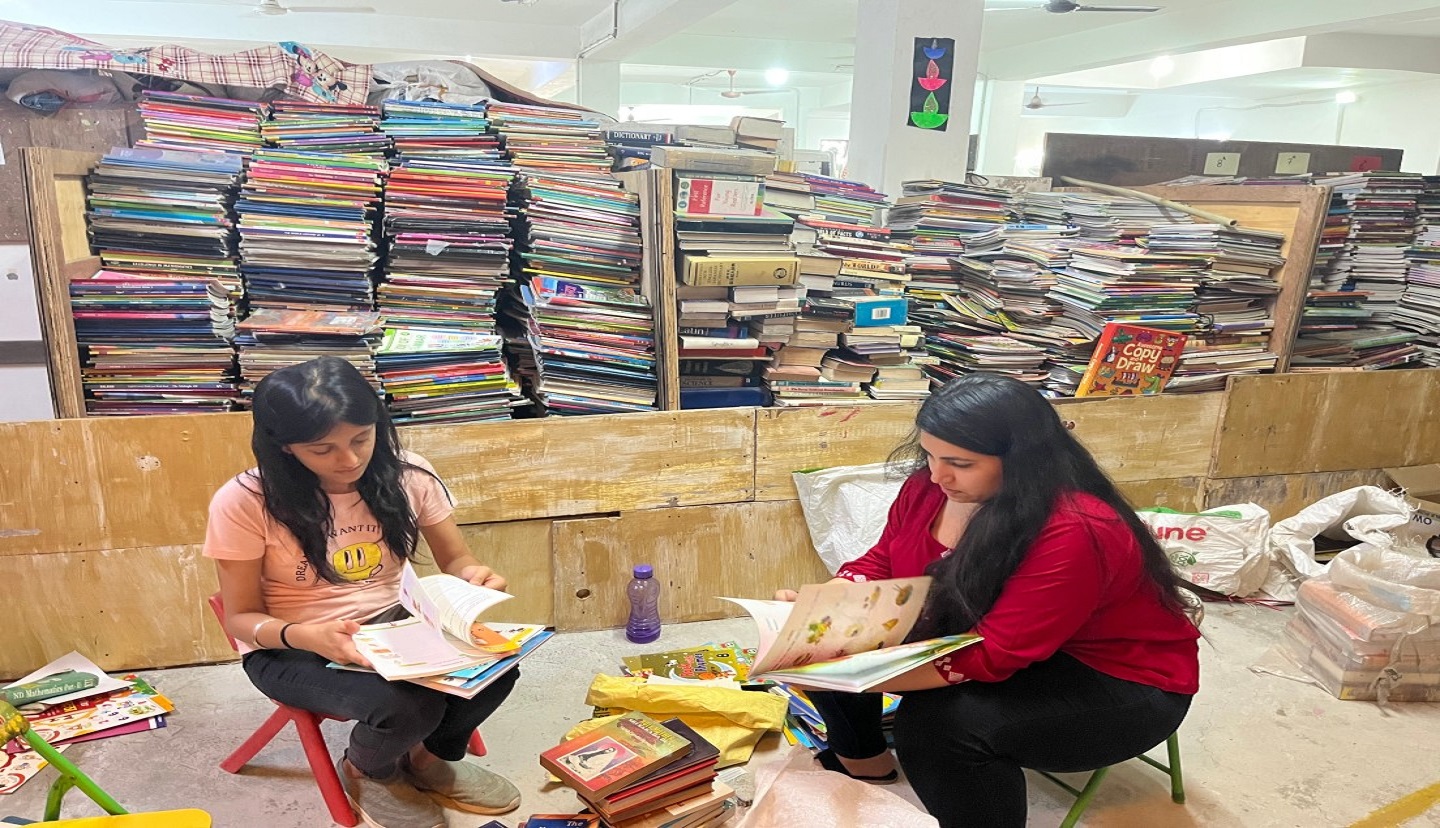
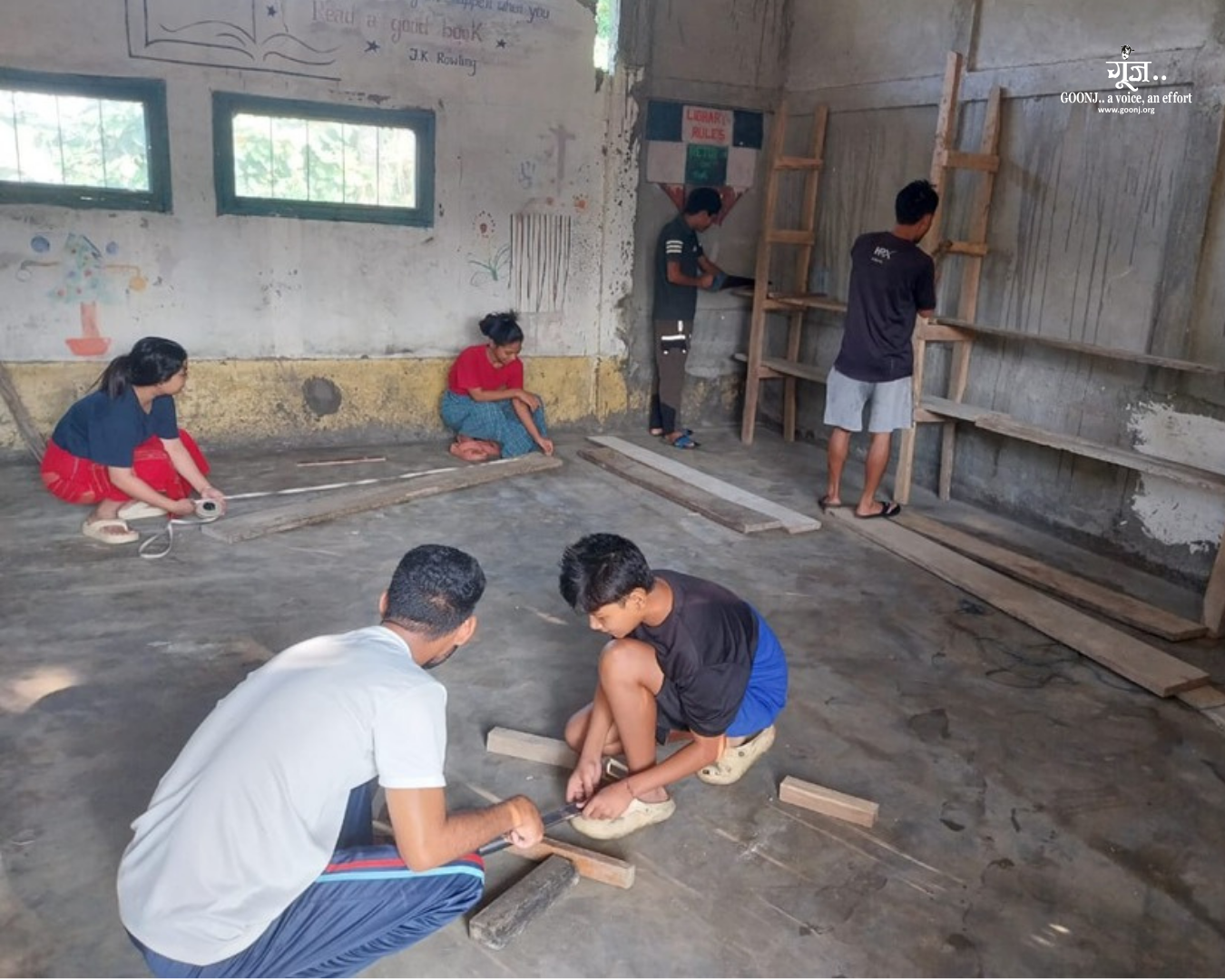
Under this initiative, the community identified a simple yet powerful need— a library. What followed was a shared effort to build it. In this process, material began to take on a different role. Not as aid, but as a way to acknowledge and reward the community’s effort. Teachers and parents came together to contribute their time, skills, and labour. They repaired the classroom floor and constructed wooden shelves, completing the work in just three days. The School Management Committee contributed cement and wooden planks, reinforcing a sense of ownership at every step.
Reimagining Material: From Charity to Dignity based Development [H2]
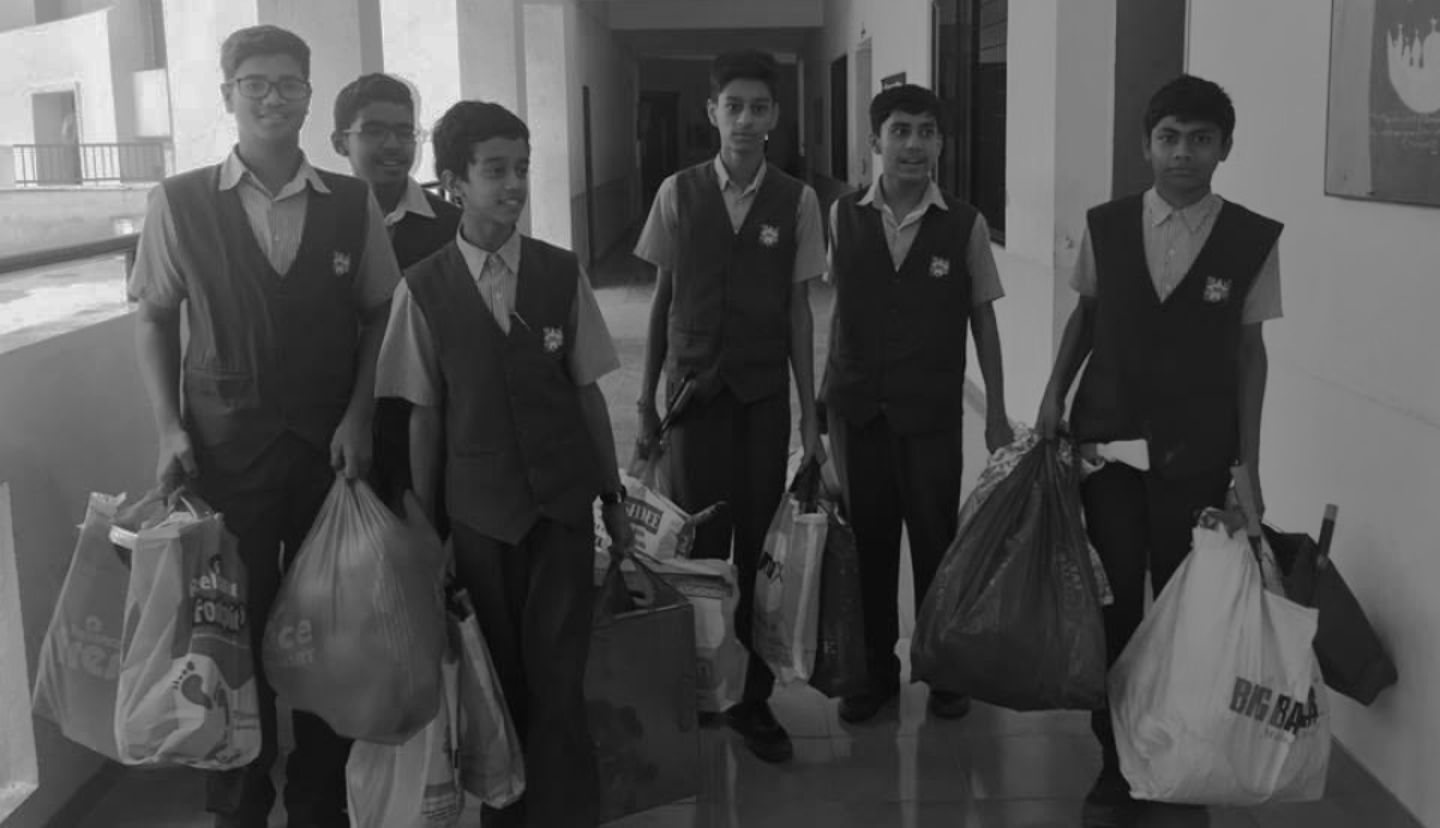
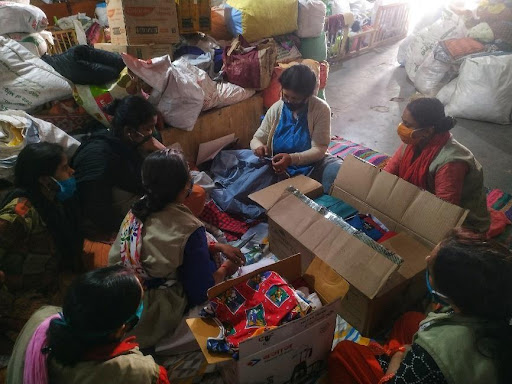
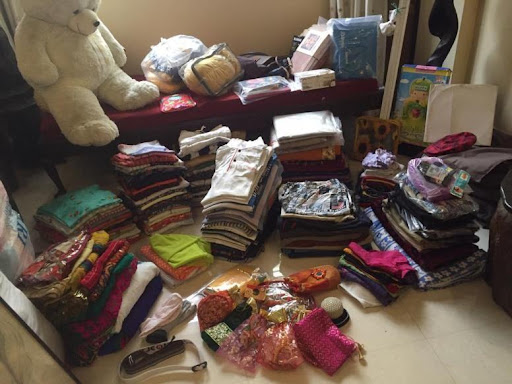
Team Goonj rewarded the community’s effort by reaching out with storybooks, school kits, and stationery— resources that complemented the community’s initiative and strengthened the learning space they had built together. This is how India’s urban surplus material starts to play a different role in rural India – not as aid, but as a tool to recognise and reward peoples’ efforts, knowledge and local resources. This non monetary barter helps link people’s participation with their needs. Urban material often lying unused, ending up in landfills found relevance again, creating a much bigger impact.
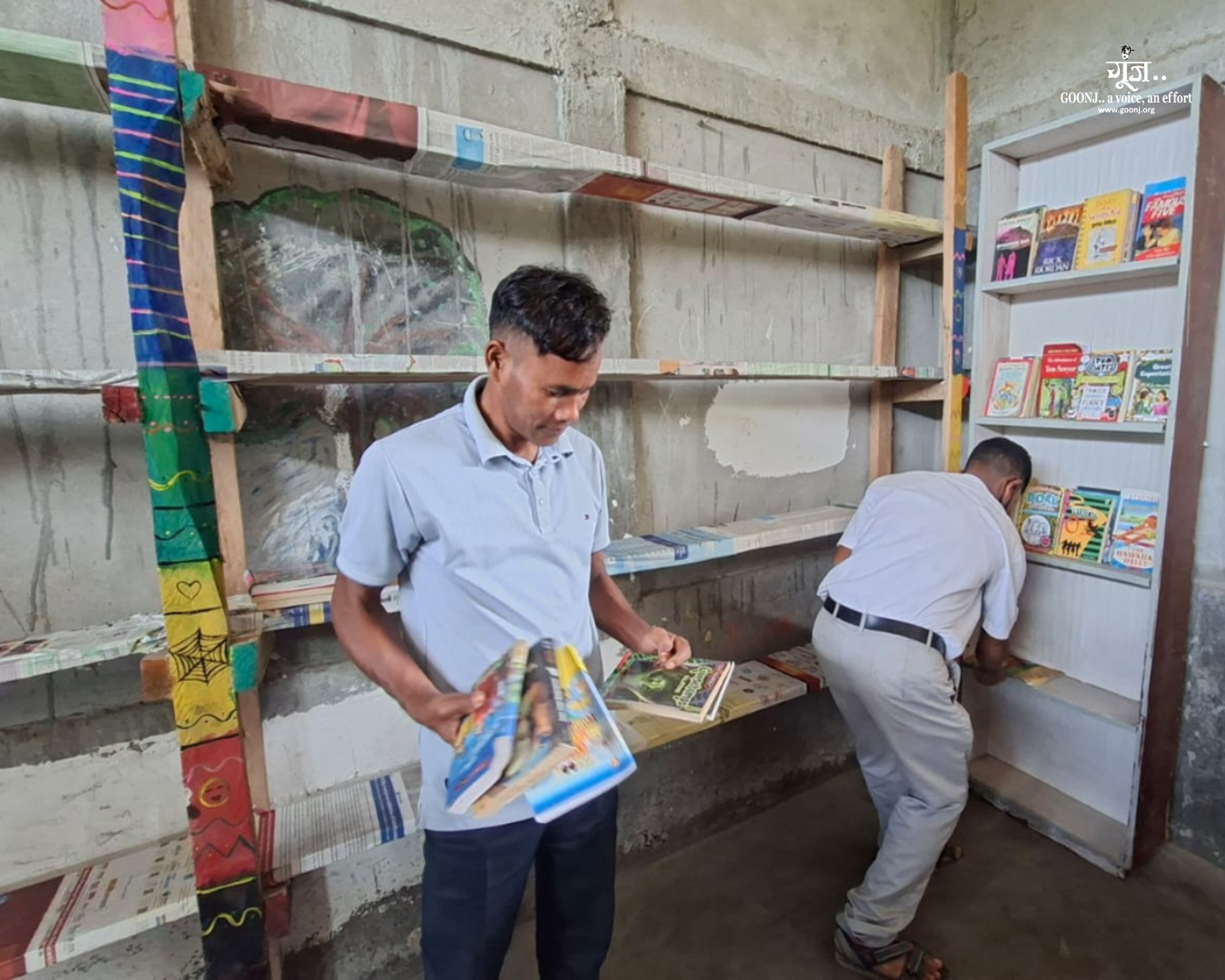
The newly set-up library at Arda Public School is more than just a room with books. It is a space shaped by collective action where children can read, imagine, and gather, even as the landscape around them remains uncertain. It stands as a reminder that solutions rooted in local participation often carry deeper meaning and sustainability.
Children as Participants in Change [H2]
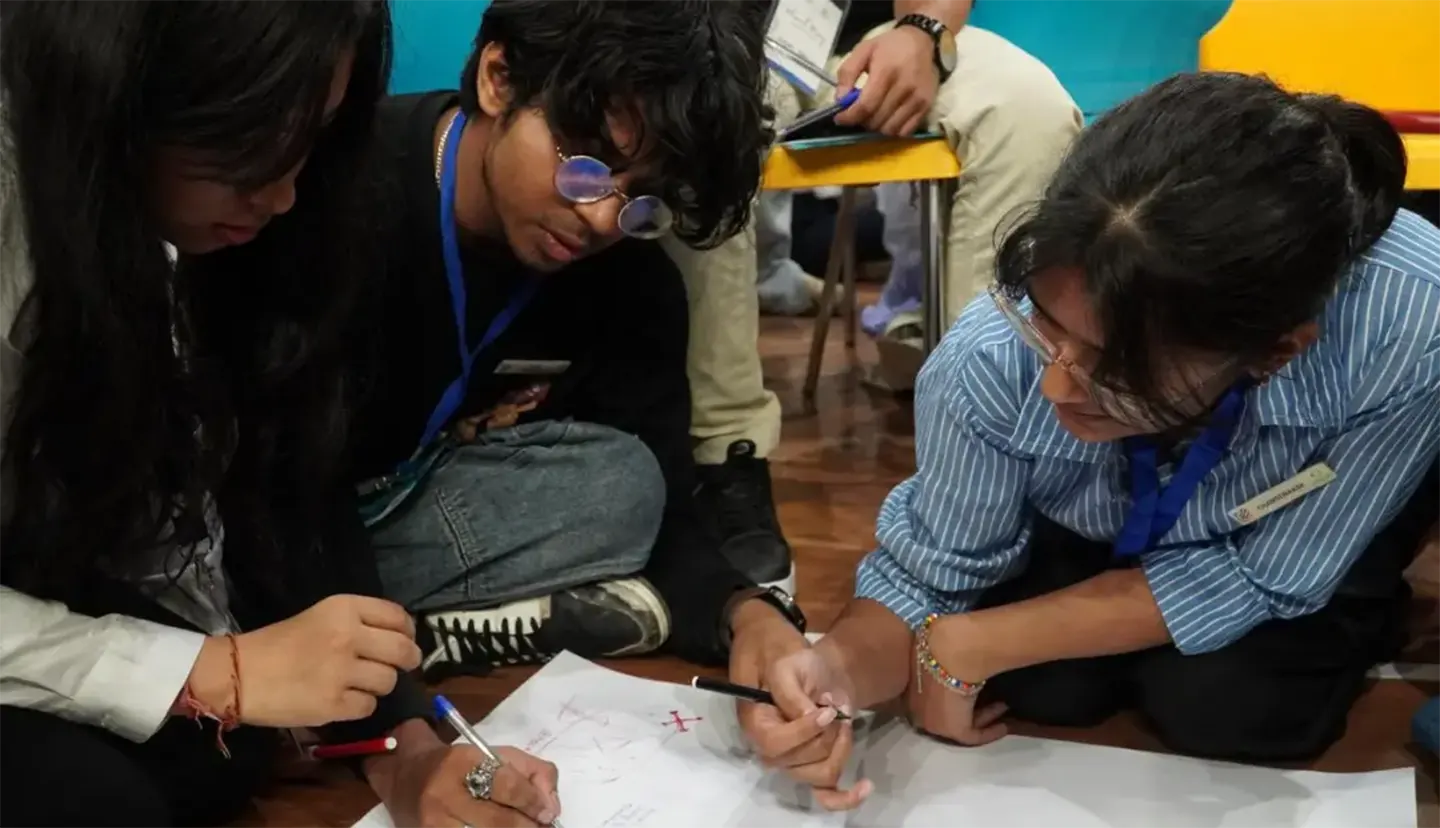
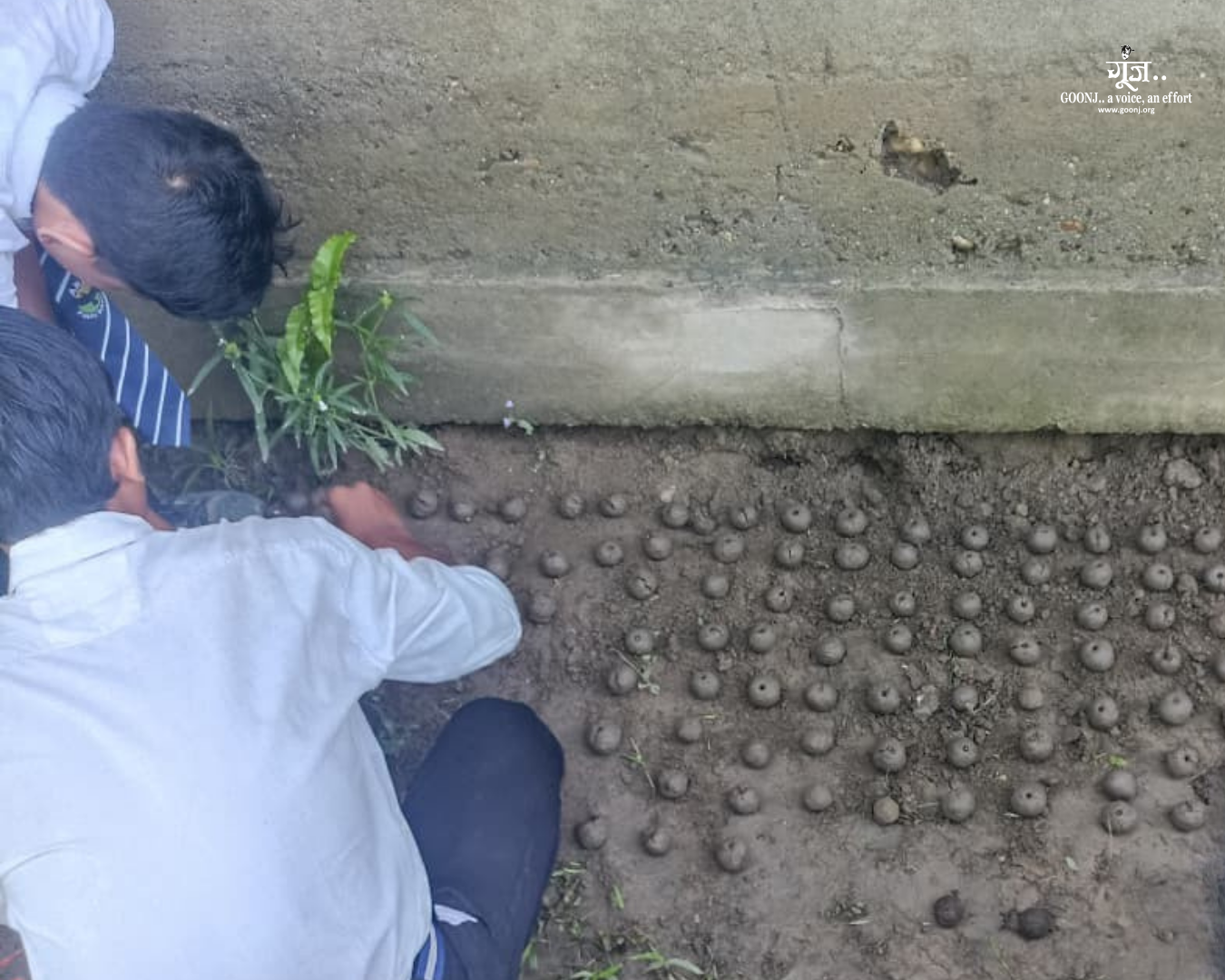
Children, too, became active contributors in this process. As part of the S2S initiative, 154 students came together to clean the school premises and prepared 770 seed balls. Contributing to a greener and more vibrant learning environment— an effort that reflects care not just for their school, but for the ecosystem they are part of.
Testimony:
…This support has brought happiness and motivation to many students, for whom a school bag is not just a material item but a symbol of care and encouragement to attend school with confidence. The initiative has reduced the burden on families and supports children in continuing their education..” – Mr. Raskin Pegu (Assistant Teacher), Arda Public School
About Goonj – Material shared by urban citizens and organisations is at the heart of these rural development stories. What lies idle in our urban homes and organisations can address material poverty, the lack of basic things needed for daily life. Goonj repositions cities’ unused material as a resource that brings rural communities together to take collective action on their own priorities. Material is shared back with people as a reward for their effort, wisdom and local resources, not as charity. What emerges is a model where people’s participation becomes central to their own development.
Be a Part of Change[H2]
Our invitation to you is, start from where you are.. From a small change of starting a Goonj kee Gullak or Team 5000, joining a long and deep change process, or things in between- organising a collection drive, a volunteering journey, an internship, or simply walking with us signing for a Goonj monthly newsletter subscription.. More on www.goonj.org or write to [email protected].
Many options, but the choice is always one; Taking Action