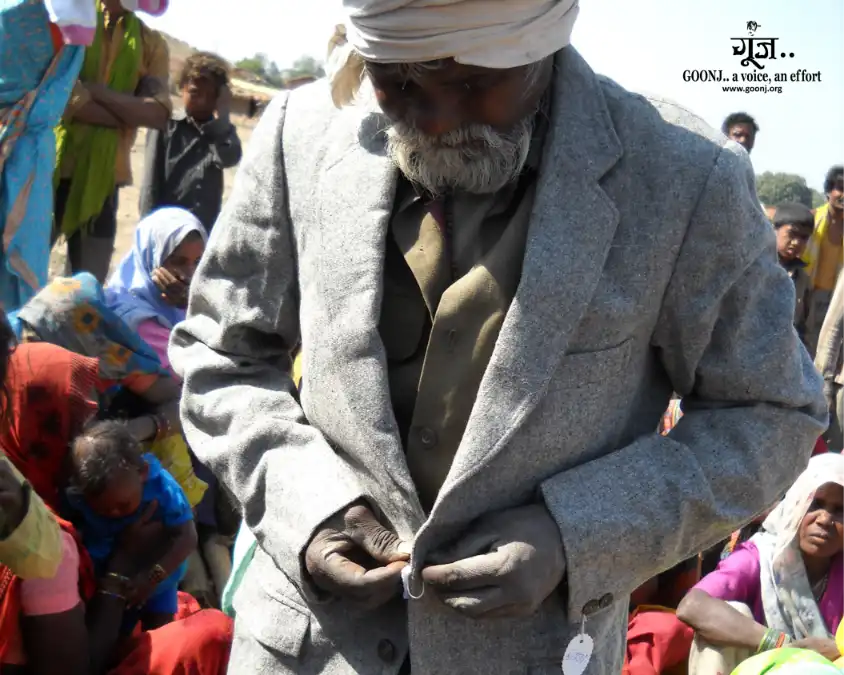
Cold does not arrive like an emergency. It settles gradually like a fog, quietly through longer nights, stiffer mornings, and bodies learning to endure a little more each day. Across India, winters feel unusually severe. Regions in eastern, central, and even parts of southern India—traditionally unaccustomed to intense cold are now experiencing temperatures dropping close to zero or even subzero. (Nitnaware 2026)
For us, the readers of this article, the easy answer to this change is to buy more layers of warm clothes.. or quilts or heaters.. The access and affordability for these things is directly tied to money.. But when resources are inadequate, this drop in temperature starts to chip away at health, productivity, and wellbeing of the most vulnerable.. This is how winters turn into a low grade, invisible disaster for many because it’s not a visible disruption like a flood or an earthquake people silently adapt to the gradual, indirect impact rather than articulate it. A daily-wage worker continues working with numb fingers. Children attend school with insufficient layers. (The Tribune 2026) Families sleep through long nights without enough warmth.
The obvious but often misleading conclusion is that the cold is the central issue. BUT, many of us live in the same temperature but experience winter with comfort and warmth.. It’s the unequal access to the basics of a jacket, a blanket, a shawl that makes cold a different reality for many. Interestingly the solutions to this unequal reality are all around us..
The other misleading and many times confusing conversation is what may seem like a contradictory narrative of ‘global warming’. If the planet is indeed warming then why should winter be a concern? While the term “global warming” makes it sound like the whole world is slowly getting warmer in the same way everywhere but ‘climate change’ means that the climate is becoming increasingly unstable. Weather is turning more extreme, more unpredictable, and harder to live with. Hot days are getting hotter, rains are becoming heavier or more erratic, and the cold season is bringing snow storms and bigger drops in temperature. In summary we can;t predict reliably about any season.
Climate scientists often explain this using global numbers — like saying the Earth has warmed by just over one degree Celsius, and that crossing 1.5 degrees would be dangerous. These numbers are accurate and very serious, but for most people, they don’t feel real. One or two degrees doesn’t sound like much when you’re standing in the cold or dealing with a heat wave.
But in real life, that small rise is what’s driving heat and cold waves, floods, droughts, crop loss, and everyday uncertainty. It’s not about a slight temperature change — it’s about a world that’s becoming harder to predict and harder to protect ourselves from.
Correlation between Climate change: Winter and Our Clothes at Home
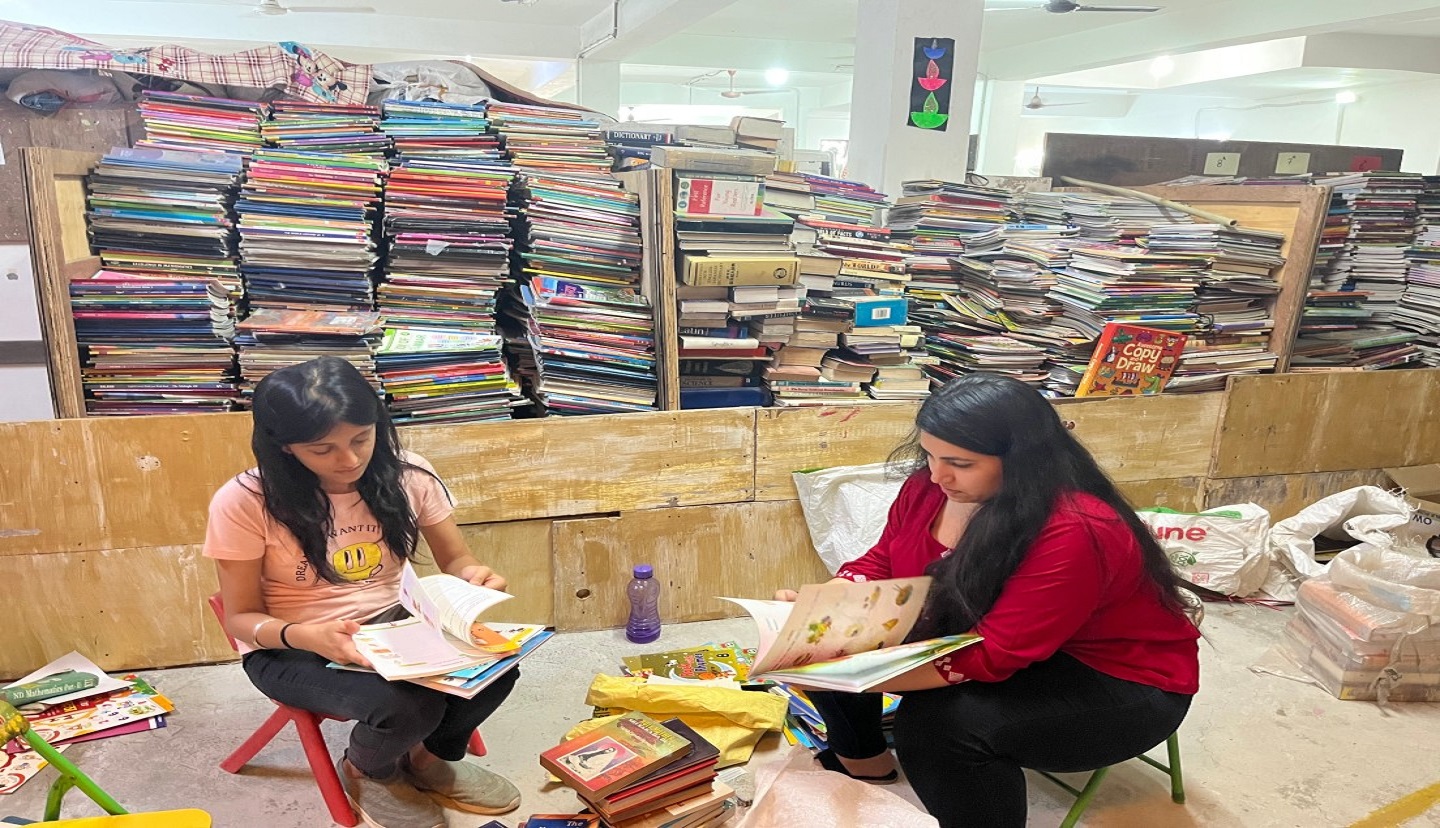
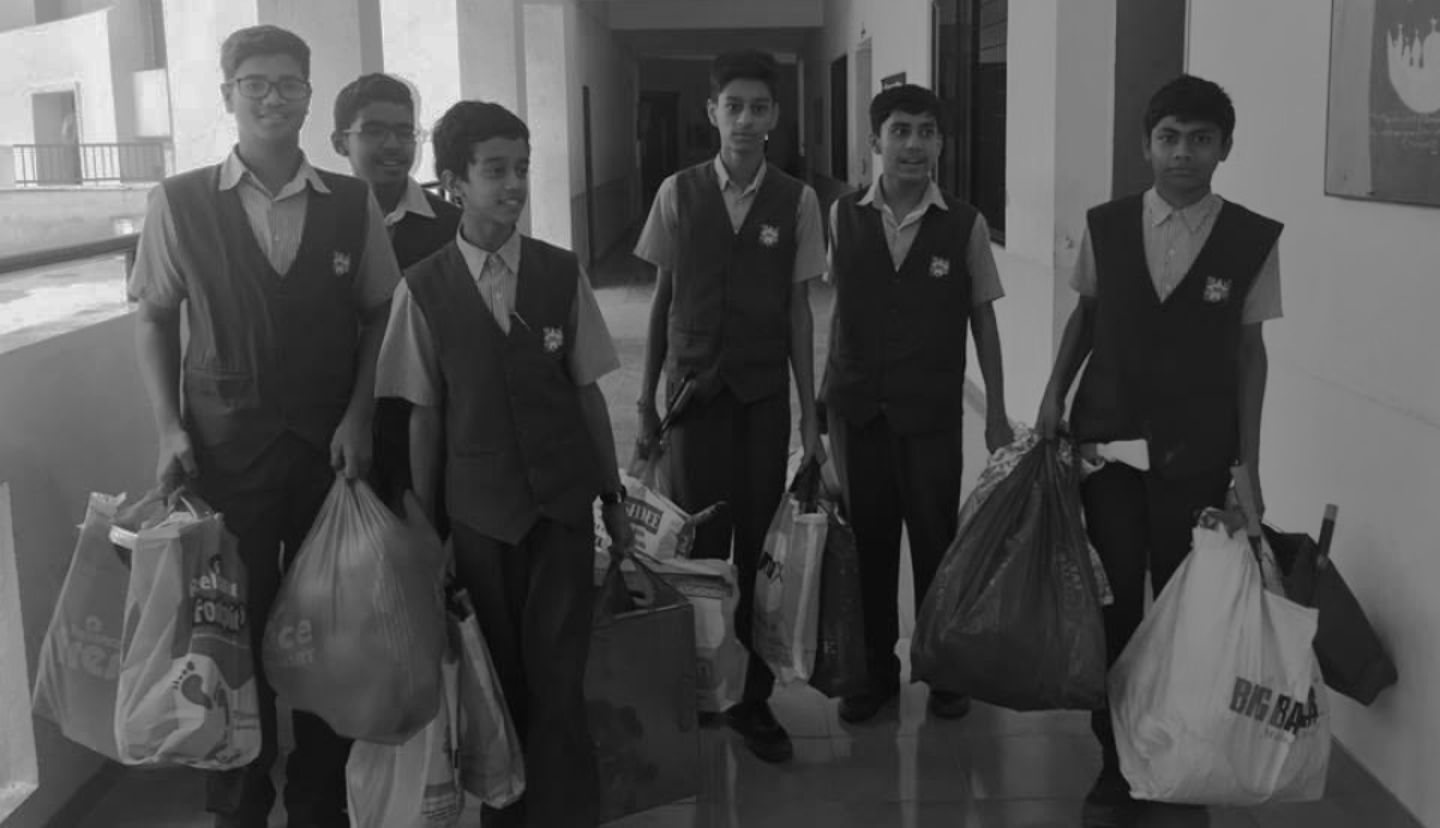
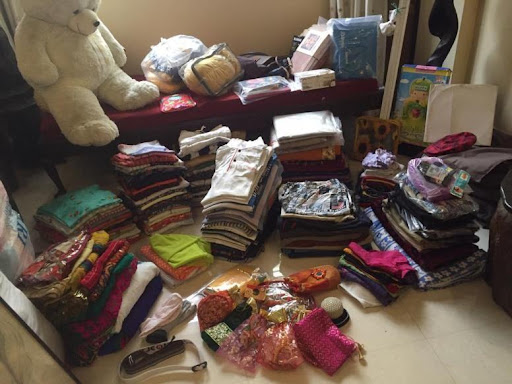
Worldwide surplus pre and post consumer clothes get labeled as an environmental problem and risk, populating landfills, choking our rivers and land as well. With the growing extreme temperatures especially in winters, the needs of people who struggle for these basics, especially in winters has increased dramatically, especially due to growing frequency of natural disasters. The simple, small but intentional action by urban citizens all across, of giving of our surplus cloth, especially before winterslie is a significant but often overlooked act. This is one resource abundant in our urban homes, stored away, unused for years. The intentional act of contributing it can create a ripple effect of better health and wellbeing conditions for many vastly missed out populations including homeless people, people in far flung hilly villages, disabled, senior citizens, migrant workers and many more. This contribution of surplus clothes would also impact and support the work of many organisations that work with these groups and collectively bring about a systemic societal change.
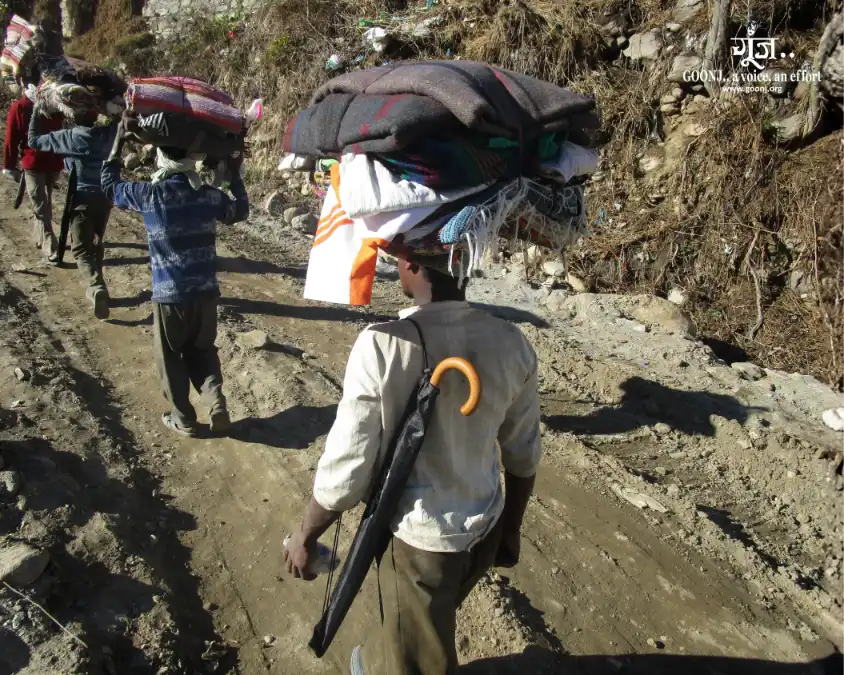
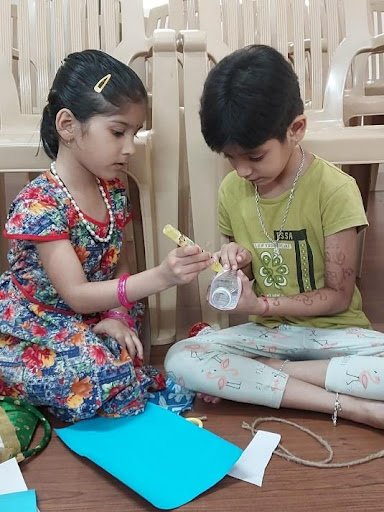
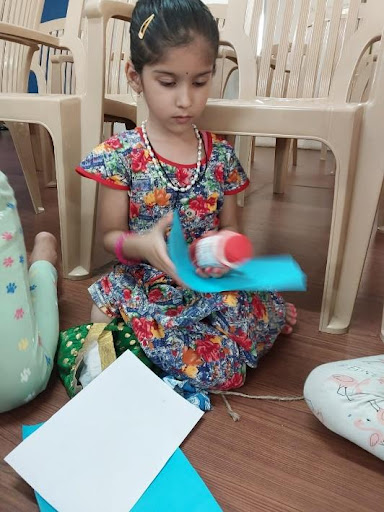
Urban surplus woollens find renewed purpose when shared mindfully, bridging material gaps and strengthening dignity-led winter preparedness.
When Winter Follows Disaster
When disasters like floods, earthquakes and landslides disrupt lives and livelihoods in different parts of the country, a winter that follows the devastation becomes more acute. The cold compounds the existing loss. In such times, winter essentials become the second unreported, invisible disaster that becomes central to peoples’ survival and recovery.
Between January and November 2025, extreme weather events were reported on almost every day of the year, continuing an upward trend seen since 2022. During this period, reported deaths and crop damage also increased sharply. Researchers now caution that the window of “normal” weather is shrinking, with climate extremes spilling across seasons rather than staying contained within them. (Pandey 2025)
Cascading Vulnerabilities: Roads, Water, and Everyday Movement
In such settings, the damaged roads, water bodies, and broken pathways become more than an inconvenience — these also intensify the winter risk. A broken road delays medical care in freezing temperatures. An overgrown water source forces longer exposure to cold and slippery terrain. A damaged footpath turns daily movement into a hazard when daylight is shorter and surfaces icy. These are not isolated problems. They are interconnected pressures that shape how winter is lived on the ground.
From a Problem to a Path of Solutions: Jamui, Bihar
In Tola Dhanukatari village in Bihar’s Jamui district, monsoon rains had washed away a crucial stretch of road, leaving behind a deep eroded pit. For months, the damaged road divided the village. Vehicles could not cross safely, emergency movement became difficult, and even routine activities like transporting crops, reaching healthcare required exhausting visits on foot.
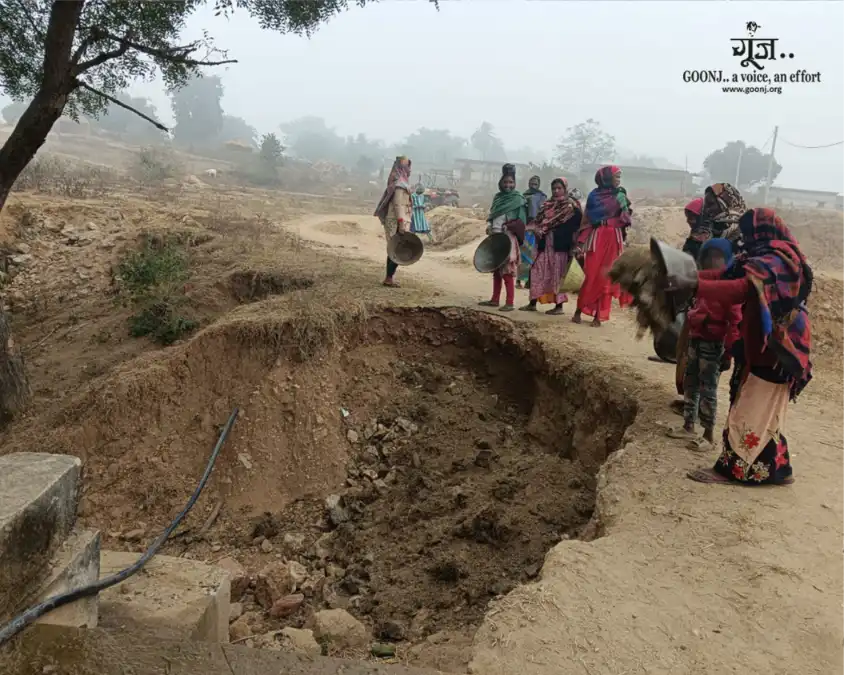
In Jamui, Bihar, collective community effort restored a damaged road, reconnecting movement, care, and everyday life before winter intensified.
When Goonj’s team visited, the challenge of access emerged directly from the community. When the Goonj team mobilised the local community, the villagers chose to come together and put their collective efforts into repairing the pit using locally available tools and materials. They filled the pit, solidified the surface with stones, and restored the road with shared efforts.
The impact was immediate. Vehicles returned, emergency access improved and daily movement regained ease. More than infrastructure, the road restored connection.
Carefully chosen winter clothing and essential items( harvested from peoples’ loving contribution in cities) led by Goonj winter kit was rewarded to everyone who participated in this work – – It was not a charity, but a recognition of the efforts, local knowledge and collective responsibility.
Water Access and Winter Risk: Chamoli, Uttarakhand
In Paini village of Uttarakhand’s Chamoli district, over the years access to clean water had become increasingly difficult as the only water stream had not been cleaned for nearly two years. Dense vegetation, moss, and weeds made the area slippery and risky, especially during winter. For women and children, collecting water meant navigating fear of falls, of snakes, of prolonged exposure to cold.
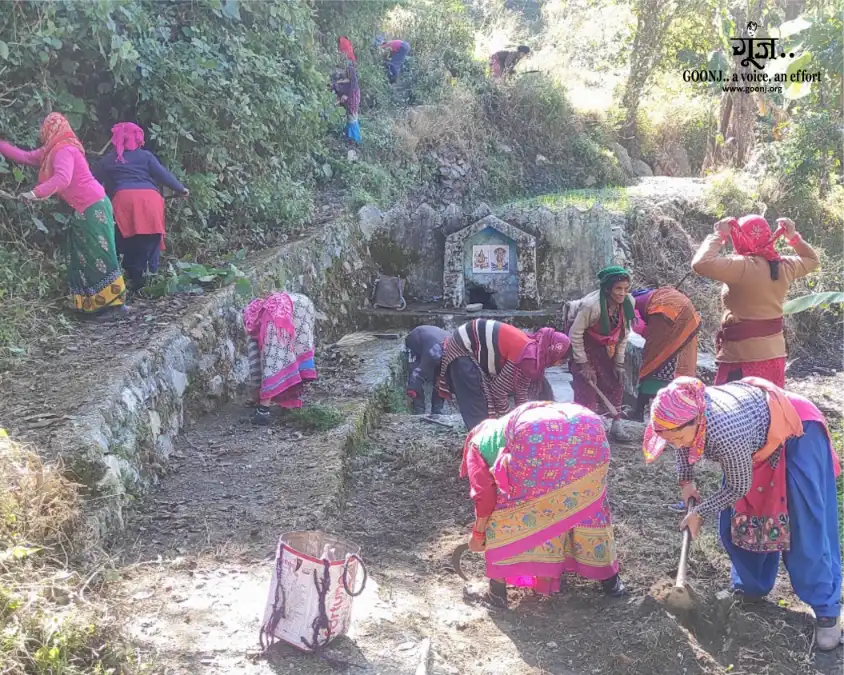
In Chamoli, Uttarakhand, villagers cleaned and restored a neglected water stream, reducing winter risk and rebuilding collective confidence.
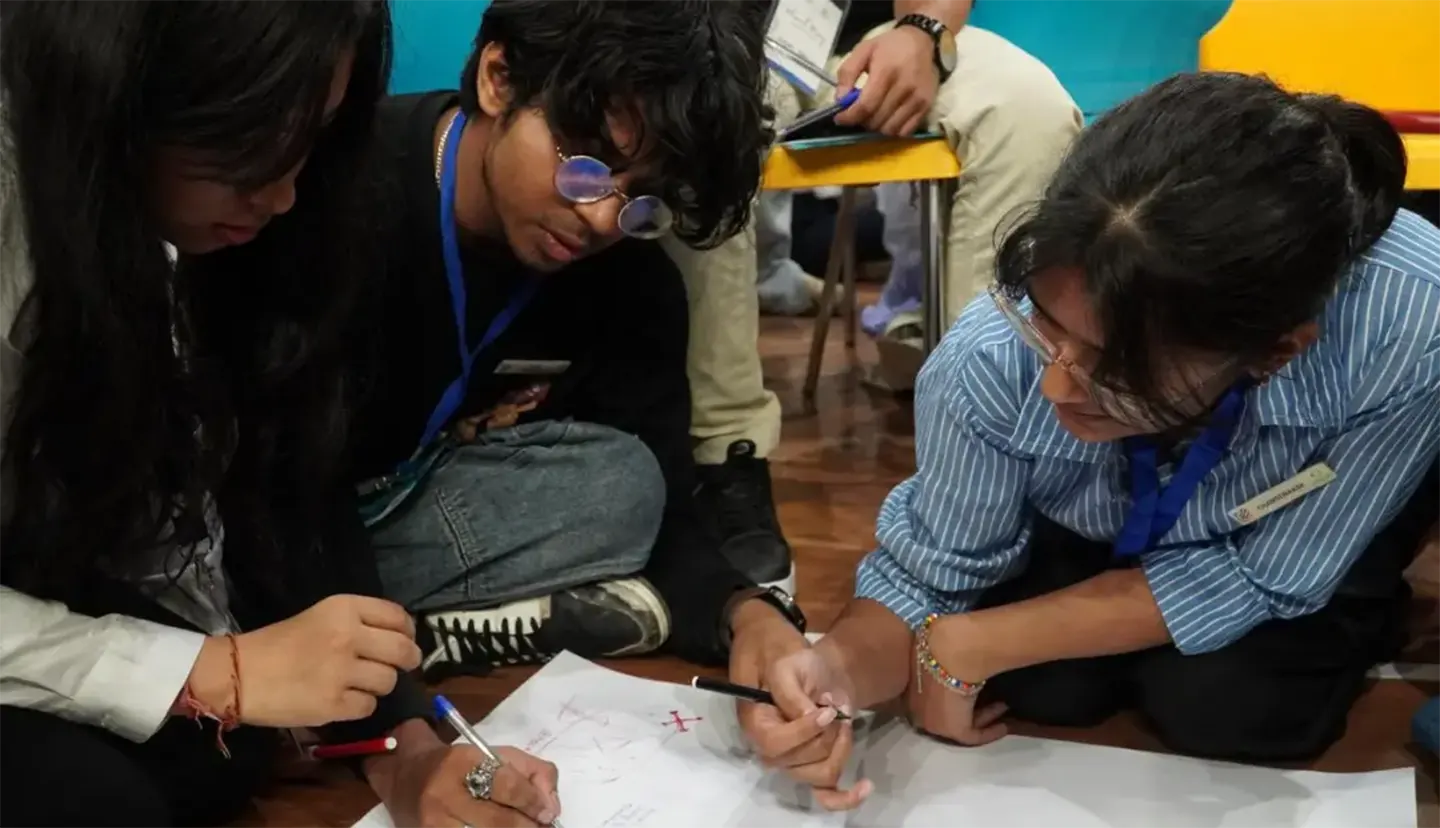
Through nudging conversations the Goonj team brought the villagers together, when they chose to clean their stream. Over the next three days people from the village not only cleaned their stream but also repaired the pathway, cleaned the water tank, and rebuilt a small resting space nearby. Despite cold conditions, people enthusiastically participated in the work. The villagers later shared that their collective efforts did more than water restoration, more importantly it rebuilt their trust in themselves, with a strong sense of working together, that had eroded over time.
Safe Movement Before Winter Sets In: Ramban, Jammu & Kashmir
In Kanthi village of Rambanan district, Jammu & Kashmir, peoples’ vulnerability took the form of a deteriorated footpath connecting the settlement to the main road. For children, the elderly, and those carrying loads, their daily movement across this path had become dangerous – particularly with approaching winter. When Goonj mobilised and motivated the locals to take collective action, they collectively repaired their path over three days, in difficult terrain. The urgency was clear: delaying repairs would have magnified hardship once snow and ice set in. Today, the restored path stands as a marker of people’s efforts, wisdom, and resilience.
Rethinking Winter Relief
Across these stories a common but invisible reality emerges, that of the invisible and unequal impact of cold.
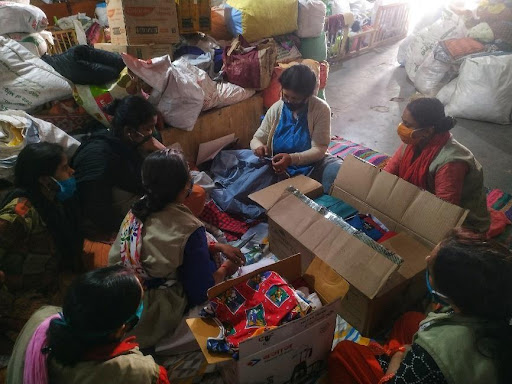
At Goonj our work is as much about expanding the understanding of what constitutes a disaster. While winter is framed worldwide as a seasonal inconvenience, the on ground reality is the slow-onset but deep impact of an annual crisis. This is why every year we reach out to our people across big metros of Delhi, Mumbai, Bangalore, Kolkatta, Dehradoon and many other cities, urging them to mindfully contribute their unused woolens. Our goal is to build a culture of mindful giving where material, especially woolens, shared is need-specific, timely, and respectful of peoples’ needs and dignity.
Goonj’s annual winter campaign, Odha Do Zidangi (Spread the warmth) campaign is about citizen participation in small, intentional ways to address this annual disaster that impacts millions of people.
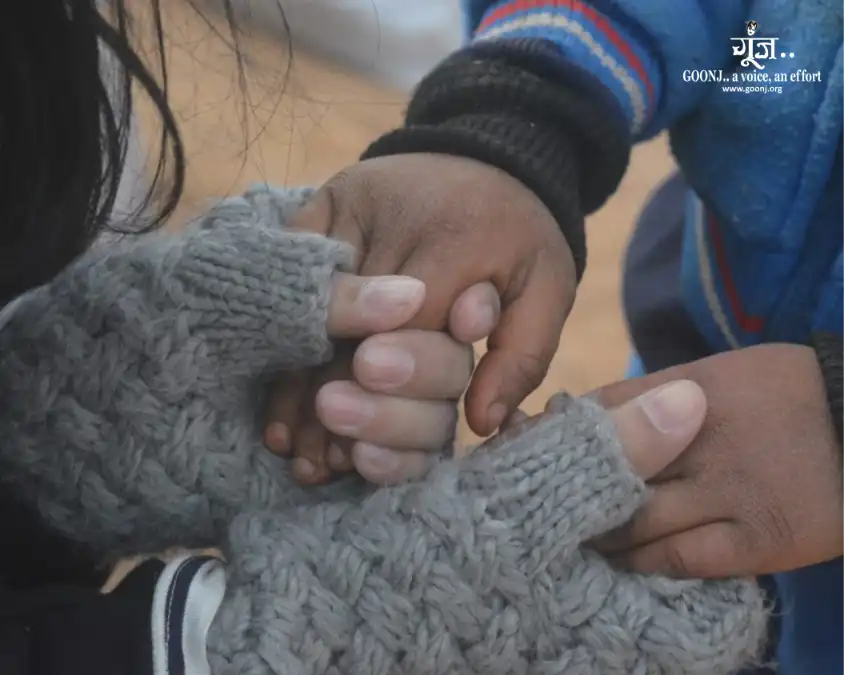
Urban surplus woollens find renewed purpose when shared mindfully, bridging material gaps and strengthening dignity-led winter preparedness.
Every winter, what we collect always falls short of what is needed especially by the disaster impacted communities. Last year alone Goonj channelised close to a million woollens and over a hundred thousand blankets , most of which we had to purchase. While the mainstream cycle of material circularity worldwide is largely focussed on harvesting material from the urban masses and then looping this back into making recycled products for them, we urge you to ‘Goonj.. it!’ instead. Goonj It means choosing a path of circularity that uses urban surplus for solving rural development issues to reduce material inequalities.