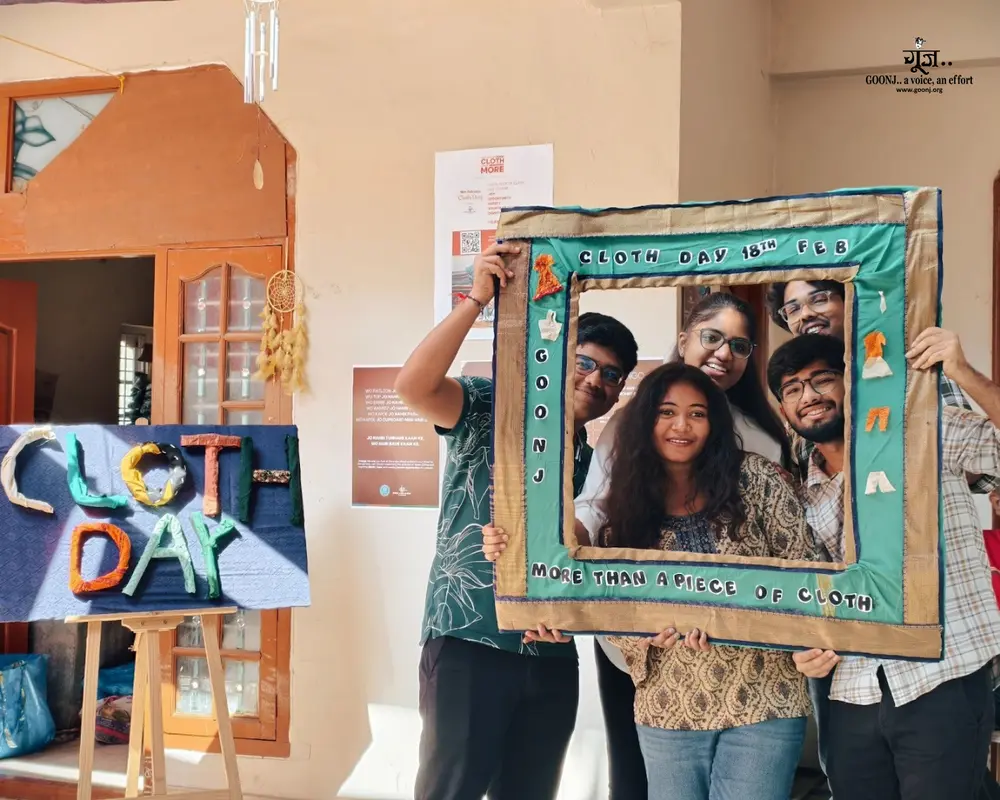
Where does cloth go after we stop using it? How can all the surplus cloth become a tool for people’s dignity rather than pollution? How can cloth create development, reduce poverty, create livelihoods, strengthen people, and address inequality and environmental impacts?
Every year, people across India celebrate Cloth Day on 18th February— a day to value, reflect on, and rethink the humble cloth. Cloth Day is not about donation or recycling; it is about Valuing and Connecting with the many possibilities of Cloth.
Cloth Day is advocated by Goonj, but it’s not just a Goonj initiative. We want people, institutions, corporates, societies from all walks of life and all geographies to celebrate their connection with Cloth. Goonj dedicated its founding Day, 18th February, to be Cloth Day. This attention to Cloth grew out of Goonj’s more than two decades of learnings and insights from working with people and cloth.
Cloth as Connection, Dignity, and Opportunity for the masses..
Over the last 26 years Goonj’s work with cloth and other surplus material, using these as a resource and alternate currency for development emerged as a disruptive innovation and exemplar of the diverse possibilities of cloth and other surplus material on the intersection of societal, social, economic and ecological challenges. Goonj has relentlessly worked on shifting the urban, market led waste based narrative around cloth, instead connecting it to possibilities for addressing the growing inequality and scarcity faced by a vast majority.
Magsaysay Awardee, Ashoka Fellow Anshu Gupta, Founder- Goonj and Gram Swabhimaan says about Cloth, “The story of cloth is very simple.. we first discard it mentally and then look for a channel to discard it physically. We often give what we don’t need or when we don’t need. So let’s be thankful to people who use it and give it a new life..” His words reverse the charity and power led positioning of cloth, emphasising that cloth often becomes “waste” not because it is unusable, but because people who often buy and discard clothes stop seeing value in them.
Cloth as waste, according to Anshu, is not a property of the material— it is a failure of our perception and responsibility. The value of a garment is not defined only by its novelty or market price, perfectly usable cloth is valuable because of the labour, resources, and human effort embedded within it. By reframing cloth in this way, Goonj’s work on cloth shifts the focus from charity to circulation, from pity to participation, and from disposal to dignity. It challenges the world to ask “How can Cloth continue to serve beyond its price tag or novelty?” In doing so, it restores agency to both the material and the people connected to it.
On a similar note Orsola de Castro, co-founder of Fashion Revolution, reminds us that: “The most sustainable garment is already in your wardrobe.”(State of Matter Apparel, n.d.) . Many designers and advocates also consistently emphasise that sustainable fashion isn’t just about materials — it’s about people, systems, and lived relationships with what we wear and how we discard. (Project Cece, n.d.)
When we mindfully and with dignity contribute our cloth for others needs, each one of us becomes a stakeholder in a better world.
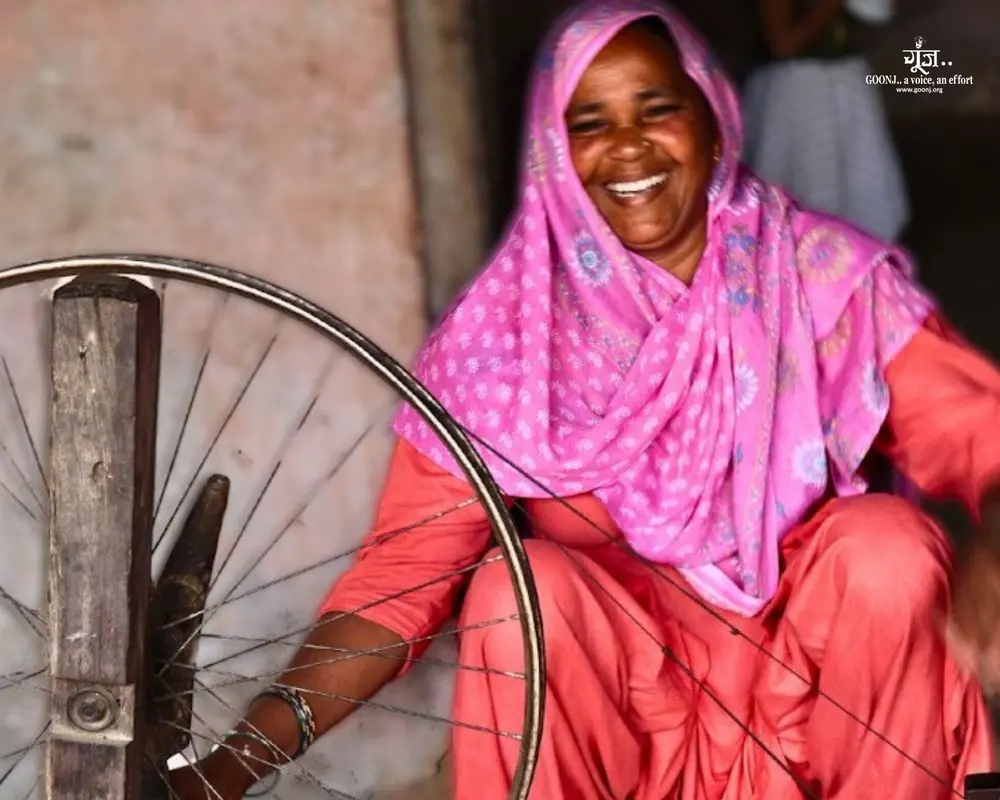
A woman weaving fabric on a traditional loom
Why Cloth Day?
Globally, we know that the textile industry produces 92 million tonnes of waste annually, with less than 1% recycled into new garments. It contributes to carbon emissions, water pollution, and microplastics in the oceans. In a system driven by fast production and even faster consumption, clothes are worn half as long as they were 15 years ago, and less than 1% of discarded garments became new clothing. (World Economic Forum, 2023; Textile Exchange, 2021)
This is an environmental and human crisis — contributing to pollution, greenhouse gas emissions, microplastic contamination, and massive waste of labour and resources.
Yet this is only half the story.
Cloth is more than a problem to be recycled. IT CAN BE MORE. The most significant possibility of cloth lies in understanding its role as a basic need and its connection with poverty alleviation. This is how cloth impacts how material poverty actually feels and functions in daily life. To understand its possibilities one must first understand how its absence/ scarcity is both a symptom of material poverty and a mechanism that sustains it.
Material poverty often means people are forced to choose between food, shelter, and clothing, and cloth is the most often postponed need — quietly worsening health and wellbeing of the most marginalised, over time. The most invisible but powerful part of cloth (that holds its biggest possibility) is the connection of what people wear with their sense of dignity and of feeling valued in the world. It is because of this social poverty, that people wearing torn, dirty, or inappropriate clothing, often are not able to access places like a fancy restaurant, or a big office or a government building and feel ashamed, excluded or stigmatised as their clothes start to hinder their access to possibilities that these places hold.
Whether it is school uniforms that enable access to education, work-appropriate clothing that enables access to employment, or seasonal clothing for winters that allows people to work year-round — clothing quietly shapes who can participate and who cannot. When we begin to unpack this invisible impact of clothes, by replacing this scarcity with abundance of clothing, it opens pathways to mobility and income generation.
It is in this understanding that the true potential of cloth becomes clear.
Just like the multidimensional and unequal impact of scarcity of clothes, it also has deeper implications for gender issues. Clothing poverty hits women and girls much harder. Girls drop out of school due to lack of uniforms or cloth for sanitary pads. Inadequate clothing also increases their vulnerability to harassment. Globally, systemic gaps around menstrual clothing and infrastructure continue to push girls out of classrooms. According to a joint WHO–UNICEF global assessment, only 39% of schools worldwide provide menstrual health education, and just 31% have safe disposal facilities in girls’ toilets, leaving millions of girls without the basic support needed to manage menstruation with dignity. These gaps directly contribute to school absenteeism and dropouts, particularly among adolescent girls.
The subtle but deep rooted inequity of clothes within families shows up in the shape of one member’s (often the earning member or male) clothing needs being prioritised over the rest of the family. Many such dimensions of material poverty expressed through cloth, often impacts girls’ educational and safety needs as well. This is how cloth abundance can impact internalized poverty in a big way.
One story from Goonj’s initial years is from Bihar, where cloth from Goonj reached an area just before Chaath, Bihar’s biggest festival. Before Goonj’s entry people from the most marginalised communities in that area would take a high interest debt from the local moneylender to buy clothes for their family. Over a period of time they would really struggle to pay back the principle and interest and in utter desperation would end up getting caught working without wages with the moneylender.. entering a cycle of slavery.. The access to good quality clothes (due to Goonj’s clothes input) just before Chaath broke this cycle and allowed people to celebrate without the burden. There are thousands of such stories of cloth from urban and rural India highlighting an age-old social, cultural and economic aspect of cloth. In India, cloth has long been understood not just as material but as identity, self-reliance, dignity, and social connection. Mahatma Gandhi famously embraced Cloth in the shape of khadi — hand-spun and hand-woven cloth — as a philosophy of dignity and self-reliance. (Mahatma Gandhi, n.d.) In this country people historically understand that cloth carries many meanings and possibilities beyond material; to transform the country by how we produce cloth, wear it, discard it or move cloth.
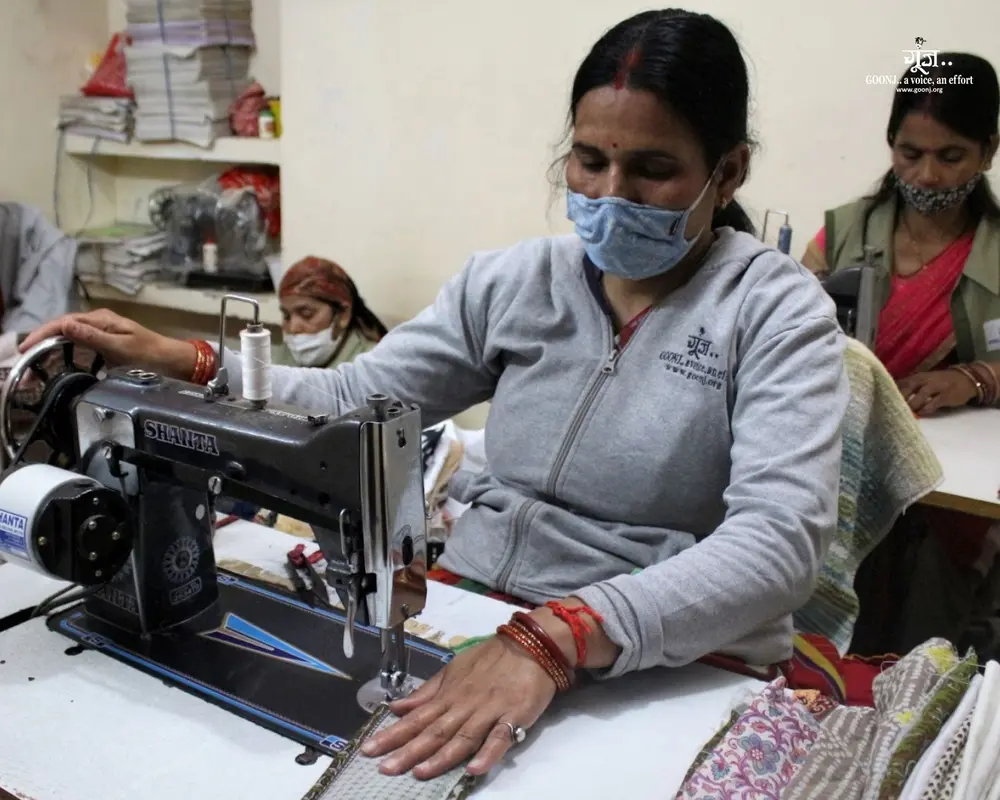
Women stitching reusable cloth pads under Goonj’s MY Pad initiative
When we shift how we think about cloth and its place in society, the expanse of its possibilities as an intentional tool for people’s dignity, connection, livelihood, social equity, and climate resilience are vast.
Cloth Day thus invites a different view of cloth: not as waste, but as a connector of people, a vehicle for dignity, and a tool for systemic change. It is this value and possibility of Cloth that Cloth Day celebrates — expanding our viewpoint about its relevance as a social resource.
Responsibility and Community Instead Of Guilt around Cloth
At present the most prominent and dominant narrative about cloth is as: a major polluter, a recycling problem, and a contributor to climate change and resource depletion, stopping at fabric as a waste stream. Cultural theorist Gay Hawkins, opens up a deeper inquiry into this narrative by saying that, “waste is not only a material category — it is an ethical one.” When we define Cloth with a material lens of “waste” it reduces our attitude to the production, consumption and discard of cloth only to its material presence, distracting us from its emotional, safety and moral role. Then Cloth starts to sound more of a liability, burden and guilt. But when we start to see the entire value chain of cloth, a larger picture emerges. From the people producing cotton and other fibres, to the use of natural resources, energy, and time to make clothes. From people consuming clothing to meet diverse needs, to people discarding and receiving it. In this movement between prosperity and scarcity, cloth can become a bridge to reduce inequality. It can evoke responsibility. It can build community. That is when a world of possibilities around cloth truly starts to open up.
India has historically looked at cloth as a symbol of people’s dignity, self reliance and value in the world. It’s no surprise then that Cloth Day was born in India.. from Goonj that was born more than 2 decades ago with the mission of highlighting the value and need of cloth.. We know that Cloth is rarely waste in itself — it only becomes waste when we choose to classify it that way.
Cloth Day is about encouraging this conscious practice and shared responsibility around production, consumption, disposal, recycling and reuse of cloth across the world. It invites people from all walks of life to act thoughtfully and collectively to see the many possibilities of cloth in addressing the world’s biggest challenges of poverty, inequality and climate change.
The Missing Half: Cloth as a Human and Social Resource
Women account for roughly 60–80 % of garment industry workers worldwide, highlighting the high feminisation of this labour-intensive sector. A powerful but often invisible aspect is that a majority of these women in cloth-production occupations enter the workforce with minimal formal education, often because other livelihood options weren’t available to them earlier in life.
Work in textile and garment production, while providing income, is also frequently the most accessible option to women with limited education and social capital — not because it’s the best job available, but because other avenues were blocked by barriers such as lack of schooling, vocational training, or mainstream labor market access. This also points to the special significance and possibilities cloth holds for women – not just the ones receiving it (as an extra saree or a cloth sanitary pad) but also for women making cloth.
Cloth Day recognises this human-centred perspective of the humble piece of cloth.
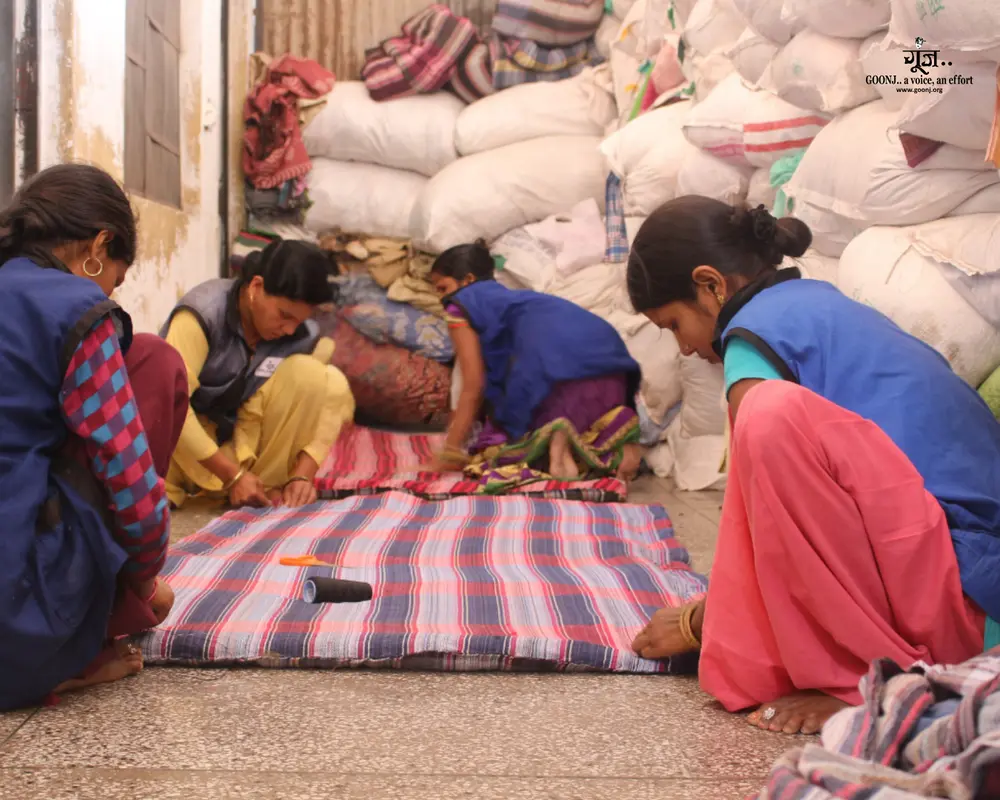
Women creating Sujinis from underutilised cloth
Cloth Day: Reframing the Conversation
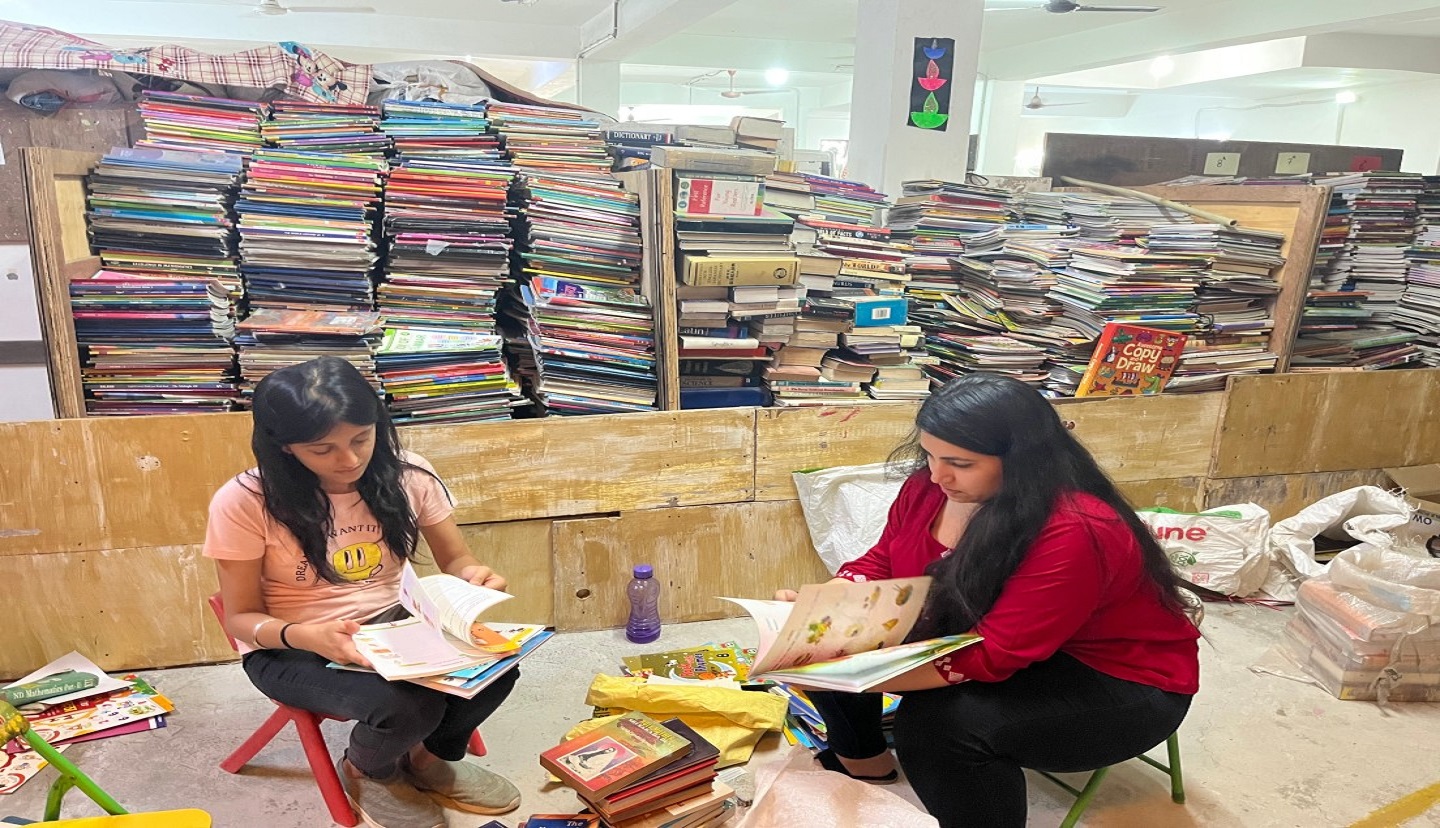
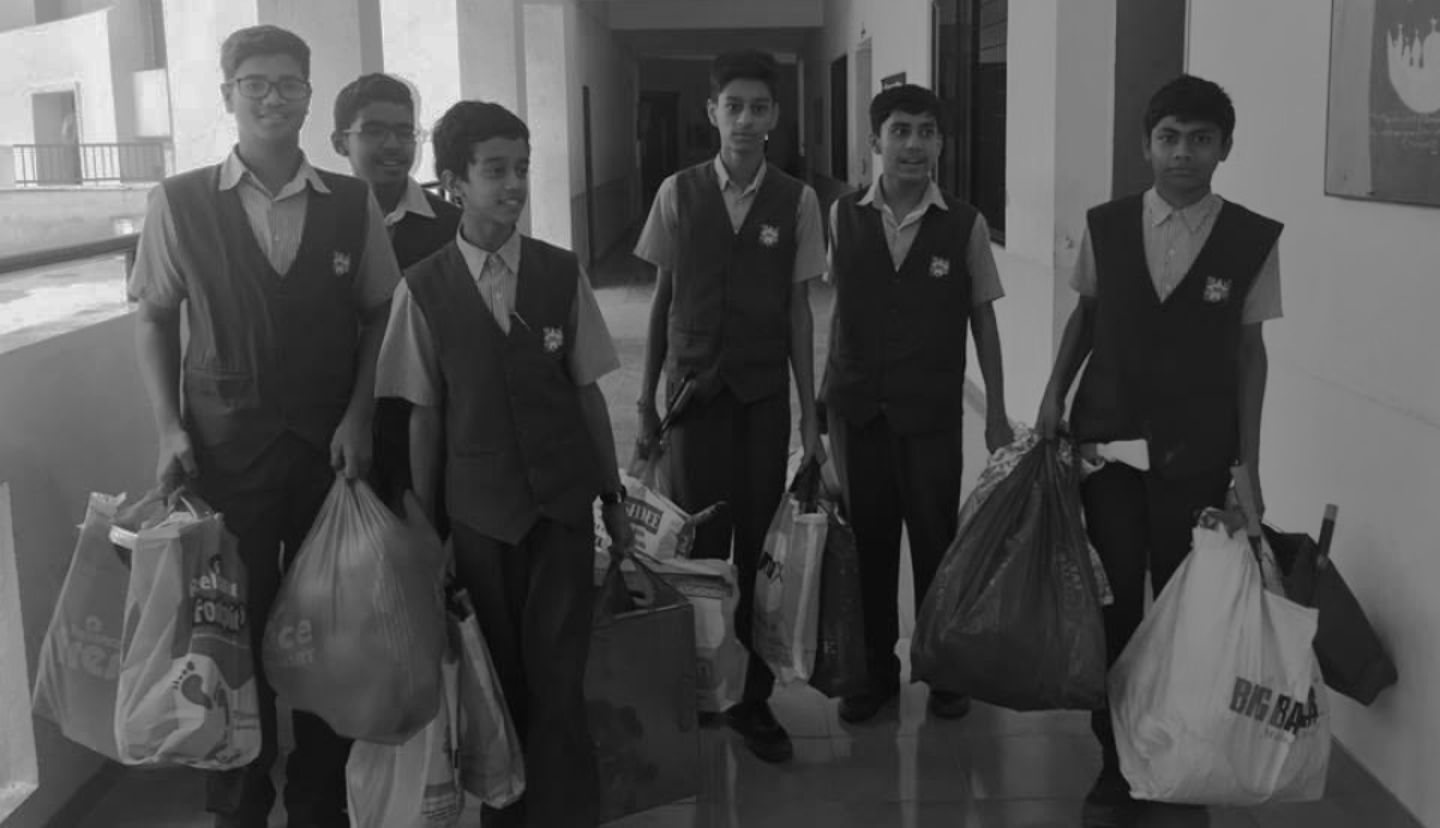
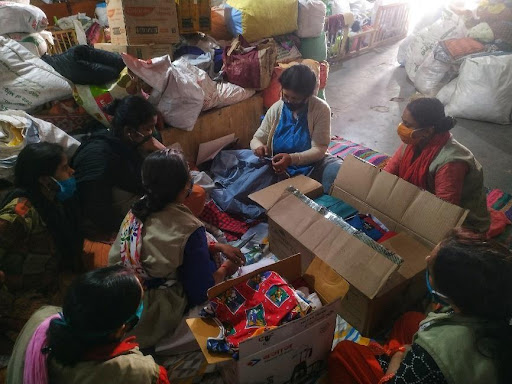
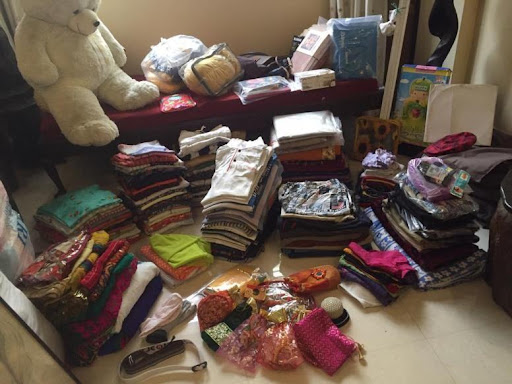
Like Goonj, many organisations across the world are treating cloth, not as waste but as a circulating community resource. Citizens, organisations and many corporates across India and globally are actively participating in this cycle — mobilised and motivated to contribute their surplus cloth and other materials, which then travel to rural and underserved regions as a catalyst for community-led development.
At scale, Goonj’s circular model has saved over 15 million kilograms of textile waste from landfills (2014–2025), demonstrating the environmental potential of reimagining cloth beyond consumption and disposal. More importantly, within Goonj’s approach, cloth becomes a currency for change. It is exchanged not as charity but as a dignified reward for collective community action around water conservation, sanitation, education, disaster preparedness, and livelihood recovery. Through this model, over 110,000 community-led rural development initiatives have been implemented, where people address local challenges and earn material with dignity.
Unwearable cloth within Goonj’s ecosystem is thoughtfully repurposed into products responding to real needs — over 11 million cloth sanitary pads, quilts, school bags, wedding kits, sitting mats, and cloth bags. These are not just products but livelihood processes, generating 1.3 million+ person-days of employment, particularly for women often excluded from formal economic systems.
Goonj’s work is just one proof point at scale that cloth can create economic opportunity, build community resilience, and strengthen local ecosystems of production and use. There are many others across the globe.
From Local Roots to Global Impact
Our dream is for every citizen to expand the lens about cloth, so that it becomes a bridge: connecting urban lives with rural aspirations, linking consumer choices with producer dignity, and weaving environmental responsibility with social equity.
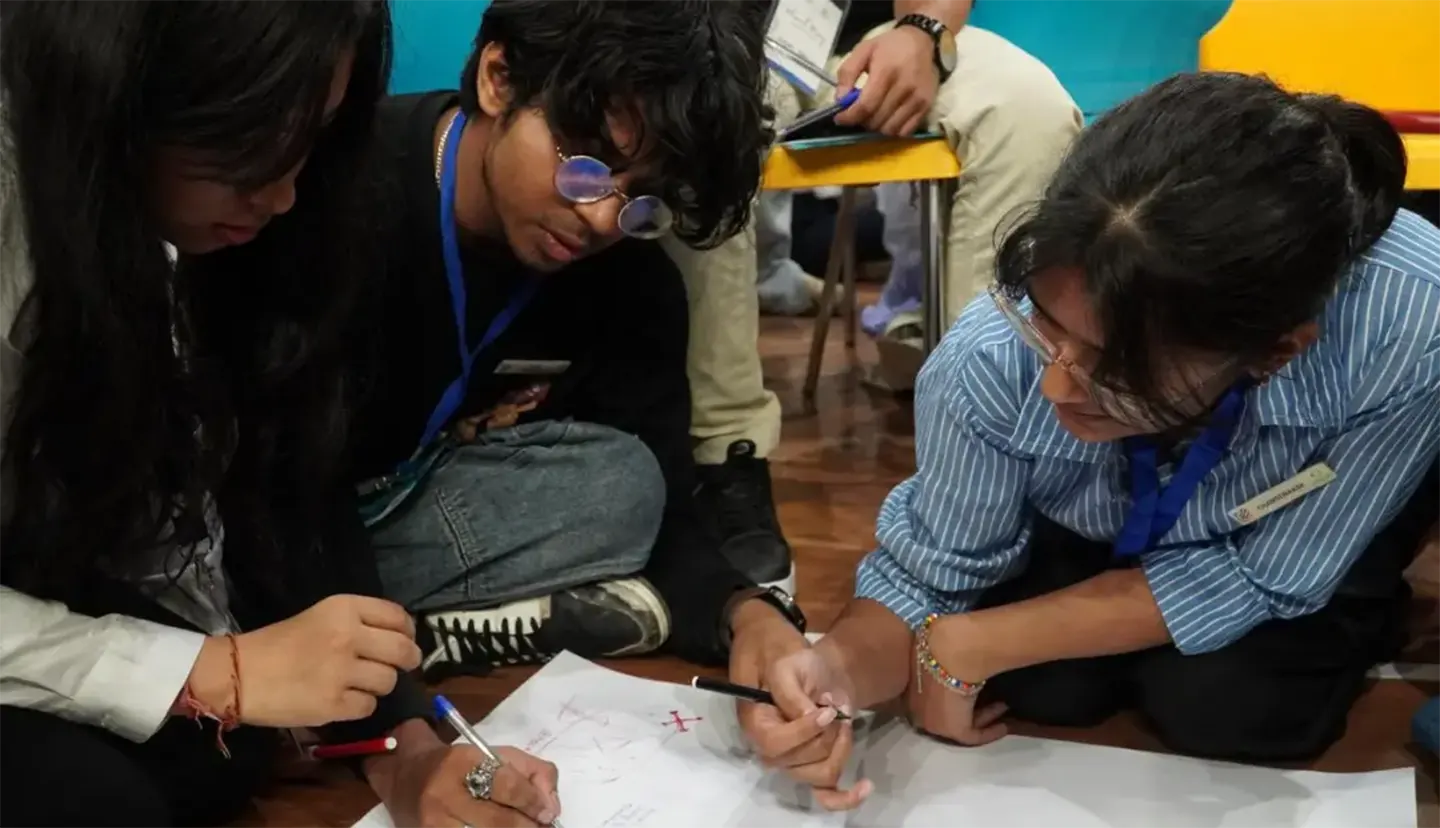
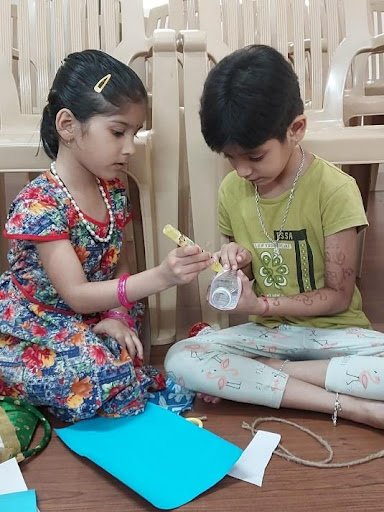
Cloth Day invites all of us — individuals, communities, schools, organisations, and policymakers to act on that transformation. When we see Cloth this way — not as waste to be managed, but as a resource to be honoured — we open up new possibilities for poverty reduction, climate resilience, and human connection.
A Shared Pledge: Gentle, Responsible Action
On Cloth Day, communities around the world can take a pledge that reflects this deeper understanding:
“On Cloth Day, I pledge to respect the value of cloth — to use it fully, pass it on responsibly and with dignity, and to support systems where surplus cloth of any kind – becomes an opportunity and resource to reduce people’s poverty, in-dignity, inequality and climate vulnerability.”
References-
World Economic Forum. (2023). Here’s how textile recycling can create jobs and reduce pollution. Source: World Economic Forum.
Textile Exchange. (2021). Global textile waste and circularity statistics. Source: Textile Exchange Report.
Gandhi, M. K. (n.d.). Khadi: Cloth and beyond. Source: Mahatma Gandhi Official Website.
State of Matter Apparel. (n.d.). Sustainable fashion quotes and perspectives.
Project Cece. (n.d.). Quotes and reflections on sustainable fashion.
World Health Organization & UNICEF (2024). Global report on menstrual health and hygiene in schools.